















 INRhttps://stores.zigly.com/locations/-in-hyderabad/-in-jubilee-hills/zigly-pet-care-pet-hospital-pet-grooming-pet-products-in-jubilee-hills-hyderabad--6jmLJL/articles/cat-vaccinations-what-vaccines-do-cats-need--20e0ea9d-ebfb-4e01-8f8e-cd7fc64698b3
Zigly Pet Care - Pet Hospital, Pet Grooming & Pet Products, Jubilee Hills, hyderabad
Pet Shop in Jubilee Hills, Hyderabad, Telangana
Survey No 102/1, MCH No 8-2-293, Road No 1, Shaikpet, Nearby Sitara Jewellery, Jubilee Hills, hyderabad, telangana - 500033
Book an Appointment
Zigly Pet Care - Pet Hospital, Pet Grooming & Pet Products Social Feeds in Jubilee Hills, hyderabad
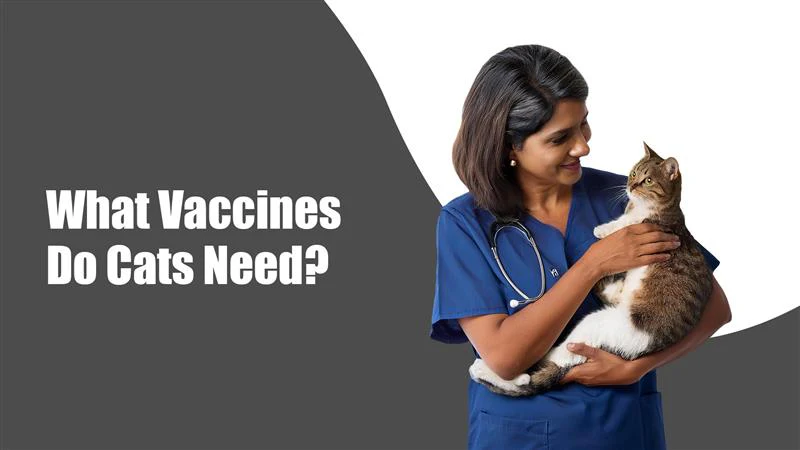
Cat Vaccinations: What Vaccines Do Cats Need?
For cat parents in Jubilee Hills, hyderabad, understanding vaccinations is a key part of responsible pet care. Whether you’ve just welcomed a playful kitten into your home or are caring for an adult cat, knowing which vaccines are essential, when they should be given, and why they matter can make a lifelong difference to your cat’s health.
As awareness around feline health grows across India, more pet parents are actively seeking reliable, vet-backed information on cat vaccinations. This guide breaks down everything you need to know in a clear, practical way to help you make informed decisions for your cat’s long-term wellbeing.
Vaccination is one of the most important steps you can take to protect your cat’s health.
Vaccination is one of the most important steps you can take to protect your cat’s health. Whether you’re bringing home a playful kitten or caring for an adult cat, understanding what vaccines cats need, when they need them, and why they matter is essential for long-term wellbeing.
With more Indian pet parents actively searching for reliable information on cat vaccinations, this guide breaks down everything you need to know in a clear, practical, and vet-backed way.
Why Are Cat Vaccinations Important?
Cats, even indoor-only cats, are vulnerable to serious and sometimes fatal diseases. Vaccines work by training your cat’s immune system to recognize and fight infections before they cause severe illness.
Key benefits of vaccinating your cat:
In India, where stray animal exposure and viral prevalence are relatively high, vaccination becomes even more critical.
Core vs Non-Core Cat Vaccines
Veterinarians classify cat vaccines into core and non-core categories.
Core vaccines
These are recommended for all cats, regardless of lifestyle or location.
Non-core vaccines
These are given based on factors such as:
- Indoor vs outdoor lifestyle
- Exposure to other cats
- Boarding or breeding environments
- Regional disease risk
Your vet will help determine which non-core vaccines your cat needs.
Core Vaccines for Cats (Must-Have)
1. FVRCP Vaccine (Core Combo Vaccine)
The FVRCP vaccine is the most important vaccination for cats. It protects against three major diseases:
Feline Viral Rhinotracheitis (FVR)
Calicivirus
Panleukopenia (Feline Distemper)
Why it’s essential:
These viruses spread easily through contact, contaminated surfaces, and even human clothing.
2. Rabies Vaccine
- Rabies is a fatal viral disease that affects both animals and humans.
- Mandatory in many Indian states
- Transmitted through bites and scratches
- Once symptoms appear, rabies is almost always fatal
- Even indoor cats need rabies vaccination, as accidental exposure (balcony access, escapes, or contact with stray animals) is always possible.
Non-Core Vaccines for Cats (Lifestyle-Based)
1. Feline Leukemia Virus (FeLV)
- FeLV is one of the leading causes of death in cats.
- Spread through saliva, grooming, shared food bowls, and bites
- Weakens the immune system
- Increases risk of infections, anemia, and cancer
Recommended for:
2. Chlamydia Felis
- Causes conjunctivitis and respiratory issues
- More common in shelters or catteries
- Often included in some combo vaccines
3. Bordetella (Kennel Cough for Cats)
- Less common but contagious
- Considered in multi-cat environments or boarding situations
Kitten Vaccination Schedule (India)
Kittens rely on maternal antibodies initially, but these wear off quickly. Vaccination fills this immunity gap.
Typical kitten vaccination timeline:
6–8 weeks
First FVRCP dose
Deworming begins
9–12 weeks
Second FVRCP booster
12–16 weeks
Third FVRCP booster
First Rabies vaccine
First FeLV vaccine (if recommended)
16–20 weeks
FeLV booster (if applicable)
1 year
Annual booster for FVRCP and Rabies
Your vet may slightly adjust this schedule based on your kitten’s health and risk factors.
Adult Cat Vaccination Schedule
If your cat is over one year old:
Annual or periodic boosters:
FeLV boosters:
Do Indoor Cats Need Vaccinations?
Yes. This is one of the most common misconceptions among cat parents.
Indoor cats can still be exposed to viruses through:
- Humans carrying pathogens on shoes or clothes
- Open windows or balconies
- Vet visits
- Contact with other pets
- Vaccinating indoor cats ensures they are protected against unexpected exposure.
Are Cat Vaccines Safe?
Cat vaccines are extensively tested and considered very safe.
Common mild side effects:
Importance of Vaccination Records
Always maintain a vaccination card or digital record. It helps with:
- Tracking booster dates
- Boarding and grooming requirements
- Travel documentation
- Long-term health monitoring
Frequently Asked Questions
Q. Can sick cats be vaccinated?
No. Cats should only be vaccinated when healthy. Vaccination may be postponed if your cat is unwell.
Q. What if I miss a booster?
Consult your vet. In most cases, the schedule can be safely adjusted.
Q. How long do vaccines last?
Some vaccines offer multi-year protection, but annual boosters are commonly recommended in India for optimal immunity.
Conclusion
For cat parents in Jubilee Hills, hyderabad, vaccinations play a vital role in protecting feline companions from preventable yet serious diseases. From safeguarding kittens against life-threatening infections to ensuring long-term protection from rabies, timely vaccination forms the backbone of responsible cat care.
As expectations around preventive pet healthcare continue to rise, many families now prefer trusted veterinary support that combines medical expertise with compassionate handling. Zigly Vetcare offers personalised vaccination plans and comprehensive preventive services tailored to your cat’s lifestyle and life stage helping ensure your feline companion stays healthy, protected, and thriving.