



















 ₹https://stores.zigly.com/locations/panchkula/sector-10/zigly-pet-care-vet-clinic-pet-grooming-pet-products-in-sector-10-panchkula--5HZ5vW/articles/monsoon-to-festive-transition-guide-for-pet-parent--4023d9e5-df1e-439d-b31c-e82714390e30
Zigly Pet Care - Vet Clinic, Pet Grooming & Pet Products, Sector 10, panchkula
Vet Clinic, Pet Grooming & Pet Products Shop in Sector 10, Panchkula, Haryana
SCO No-13, Ground Floor, Sector 10, Urban Estate, Nearby Axis Bank, Sector 10, panchkula, haryana - 134109
Book an Appointment
Zigly Pet Care - Vet Clinic, Pet Grooming & Pet Products Social Feeds in Sector 10, panchkula
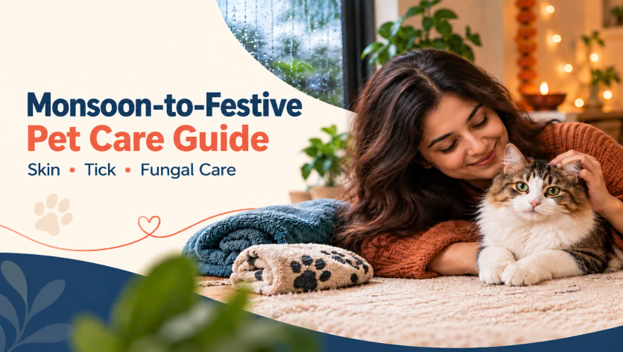
Monsoon-to-Festive Transition Guide for Pet Parents: Skin, Coat, Tick, and Fungal Care
The rain has mostly stopped. The diyas and fairy lights are coming out and your pet's coat may still be recovering from weeks of damp weather. This transition between monsoon and the festive season is an important time to pay attention to your pet's skin and coat.
Lingering moisture can contribute to skin irritation and grooming problems. Outdoor activities can also increase exposure to ticks and fleas. With a little extra attention to drying and brushing you can help your dog or cat stay comfortable as the festive season approaches.
Why This Transition Window Is Harder Than It Looks
Most pet parents focus on keeping their pets clean during the monsoon. Wet walks and muddy paws often mean extra cleaning and drying. However skin and coat care should continue even after the rain becomes less frequent.
Humidity can remain high after the monsoon. Your pet's undercoat and skin folds may also retain moisture even when the outer fur feels dry. These conditions can contribute to skin irritation and may encourage the growth of yeast or fungi.
Festive cleaning can add dust to your home while outdoor visits and gatherings may increase your pet's exposure to other animals. This makes dog skin care during monsoon and the weeks that follow an important part of seasonal pet care.
Skin Care During Monsoon and Festive Season Transitions
Keeping your pet's skin clean and dry is an important part of monsoon care. After outdoor activities check the belly armpits paws and skin folds for moisture and dirt. Dry these areas gently instead of leaving them damp.
If your pet has a thick or double coat make sure the fur is dry all the way through. A pet dryer on a low or cool setting may help if your pet is comfortable with it. Avoid using hot air or directing airflow too close to the skin.
Check your pet's skin regularly for redness bumps flaky patches or unusual hair loss. These changes may indicate irritation or another skin concern that needs attention.
Cat skin care during monsoon also deserves attention. Cats groom themselves regularly but excessive licking or scratching in one area may indicate discomfort. Keep an eye on their coat and skin rather than assuming self-grooming takes care of everything.
When bathing your pet choose a shampoo designed specifically for its species and coat. Explore suitable dog shampoos or cat shampoos based on your pet's needs. If your pet has persistent itching or skin irritation consult a veterinarian before changing grooming products.
Coat Care After the Rainy Season
Once the rain becomes less frequent your pet's coat may still need extra attention. Loose fur and tangled hair can collect around the undercoat and make regular grooming more difficult.
Brush your dog or cat according to its coat type and grooming needs. Long-haired and double-coated pets may need more frequent brushing to prevent tangles and matting. Short-haired pets also benefit from regular brushing to remove loose fur.
Use suitable dog grooming tools and brush gently. Avoid pulling at stubborn knots because this can hurt your pet. Heavily matted fur is better handled by a professional groomer.
Regular brushing also gives you an opportunity to check for redness flakes small bumps or unusual hair loss. If you notice these changes seek veterinary advice instead of assuming they are only seasonal coat problems.
Tick and Flea Prevention for Pets
Ticks and fleas can remain a concern during humid weather and the transition into the festive season. Outdoor walks and visits to grassy areas may expose your pet to these parasites.
Make tick checks part of your regular grooming routine. Pay particular attention to:
Around the ears and behind them.
Between the toes and around the paws.
Under the legs and around the groin.
Around the neck and beneath the collar.
Near the base of the tail.
A suitable fine-toothed comb can help identify fleas and loose debris during grooming. Check your pet after outdoor activities and examine the coat carefully if it has spent time in grassy areas.
You can explore products in the dog tick and flea care range. However preventive treatments should be selected according to your pet's species and needs. Ask your veterinarian about suitable spot-on treatments or collars and their recommended application schedule. Never use a dog flea treatment on a cat unless the product is specifically approved for cats.
Spotting and Preventing Fungal Infections
Warm and damp conditions can contribute to certain fungal and yeast-related skin problems in pets. Regular cleaning and proper drying can help maintain a comfortable environment but they cannot guarantee that an infection will be prevented.
Watch for changes such as:
Circular patches of hair loss.
Red or flaky areas of skin.
Greasy patches or unusual skin texture.
Persistent scratching or licking in one area.
Unusual ear odour or discharge.
These signs can have different causes. Ringworm and yeast-related conditions may look similar to other skin problems so a veterinarian should assess your pet before treatment begins. Some fungal infections such as ringworm can also spread between animals and people.
Keep your pet's bedding clean and dry. Wash blankets and fabric covers regularly and allow them to dry completely before use. Clean grooming tools and keep sleeping areas well ventilated.
If you notice unusual skin changes or persistent itching contact a veterinarian. You can explore Zigly VetCare for veterinary care options.
Bathing and Grooming During Monsoon Without Overdoing It
Does your pet need more baths during the monsoon-to-festive transition? Not necessarily. Frequent bathing can remove natural oils from the coat and contribute to dryness or irritation if the wrong products are used.
A better approach is to bathe your pet when needed and use a suitable pet-specific shampoo. Always rinse thoroughly and dry the coat properly after bathing.
Between baths you can clean muddy paws and dirty areas with suitable pet-safe grooming wipes. This helps manage everyday dirt without making every outdoor trip a reason for a full bath.
Pay attention to your pet's coat and skin rather than following a fixed bathing schedule. If your pet has a skin condition ask your veterinarian how often bathing is appropriate.
Getting Festival-Ready Without Compromising Skin Health
Festive preparations often include house cleaning and family gatherings. Some pet parents also like to give their pets a fresh grooming session before celebrations begin.
Instead of scheduling an extra bath at the last minute plan grooming a few days ahead. This gives you enough time to dry the coat properly and notice any skin concerns before the celebrations.
Keep these simple steps in mind:
Brush your pet's coat to remove loose fur and prevent tangles.
Clean the paws after outdoor walks.
Check the ears and skin for unusual changes.
Keep bedding and resting areas clean and dry.
Use pet-safe grooming products suited to your dog's or cat's needs.
Follow your veterinarian's advice on any recommended supplements or preventive treatments.
Avoid introducing new grooming products or supplements just before a celebration without checking whether they are suitable for your pet.
When to Call the Vet
Regular grooming and cleaning can help maintain your pet's skin and coat. However some concerns need professional attention rather than home care alone.
Consult a veterinarian if you notice spreading patches of hair loss persistent itching unusual ear discharge open sores or recurring skin irritation. A sudden change in your pet's grooming habits or behaviour can also be worth investigating.
Avoid applying human creams or using medicated shampoos without veterinary guidance. The right treatment depends on the cause of the problem.
If your pet needs routine grooming you can explore Zigly's grooming services. For skin concerns or other health-related issues you can also check Zigly VetCare.
FAQ
How can I protect my pet's skin during the monsoon-to-festive season transition?
Dry your pet thoroughly after outdoor activities and pay attention to the belly paws and skin folds. Brush regularly to prevent tangles and check the skin for redness flaky patches or unusual hair loss. Use suitable pet grooming products and consult a veterinarian if you notice persistent irritation.
How often should I check my pet for ticks during monsoon?
Check your pet regularly after outdoor activities. Pay attention to the ears paws between the toes groin and base of the tail. More frequent checks are useful after visits to grassy or wooded areas.
How can I prevent fungal infections in dogs and cats during monsoon?
Keep your pet's coat bedding and grooming tools clean and dry. Ensure the coat dries thoroughly after bathing or wet walks. If you notice unusual skin changes or persistent itching consult a veterinarian for an accurate diagnosis.
Does wet fur increase the risk of skin infections in pets?
Prolonged dampness can create conditions that encourage the growth of certain fungi and yeast. This is particularly relevant around skin folds and beneath thick coats. Drying your pet thoroughly after walks and baths helps maintain skin hygiene.
How should I care for my dog's coat after the rainy season?
Brush your dog's coat according to its length and type to remove loose fur and prevent matting. Check for flakes redness or unusual hair loss during grooming. Seek professional help for heavily matted fur.
What are the common signs of fungal infection in pets?
Possible signs include circular patches of hair loss flaky or greasy skin unusual odour and persistent scratching or licking. These symptoms can also indicate other skin conditions so consult a veterinarian for diagnosis and treatment.
Can frequent bathing damage my pet's skin and coat?
Yes. Frequent bathing with unsuitable or harsh shampoos can remove natural oils and contribute to dryness and irritation. Bathe your pet when needed using a suitable pet-specific shampoo and dry the coat thoroughly afterwards.
Conclusion
The transition from monsoon to festive season is a good time to pay extra attention to your pet's skin and coat. Lingering moisture loose fur and increased outdoor exposure can make regular grooming and parasite checks especially important.
Keep your pet dry after walks brush the coat regularly and check for unusual skin changes. Avoid unnecessary bathing and choose grooming products that suit your pet's needs. If you notice persistent itching hair loss or other signs of infection seek veterinary advice early.
Preparing your pet for the festive season in Sector 10 and Panchkula? Visit a nearby Zigly store to explore suitable grooming essentials and tick and flea care products for your pet. You can also explore Zigly's grooming collection and book a grooming session to help your pet stay comfortable through the seasonal transition.