



















 ₹https://stores.zigly.com/locations/panchkula/sector-10/zigly-pet-care-vet-clinic-pet-grooming-pet-products-in-sector-10-panchkula--5HZ5vW/articles/doberman-101-temperament-diet-chart-training-cost---c20f645a-707e-4157-aca9-9e77a7e354dc
Zigly Pet Care - Vet Clinic, Pet Grooming & Pet Products, Sector 10, panchkula
Vet Clinic, Pet Grooming & Pet Products Shop in Sector 10, Panchkula, Haryana
SCO No-13, Ground Floor, Sector 10, Urban Estate, Nearby Axis Bank, Sector 10, panchkula, haryana - 134109
Book an Appointment
Zigly Pet Care - Vet Clinic, Pet Grooming & Pet Products Social Feeds in Sector 10, panchkula
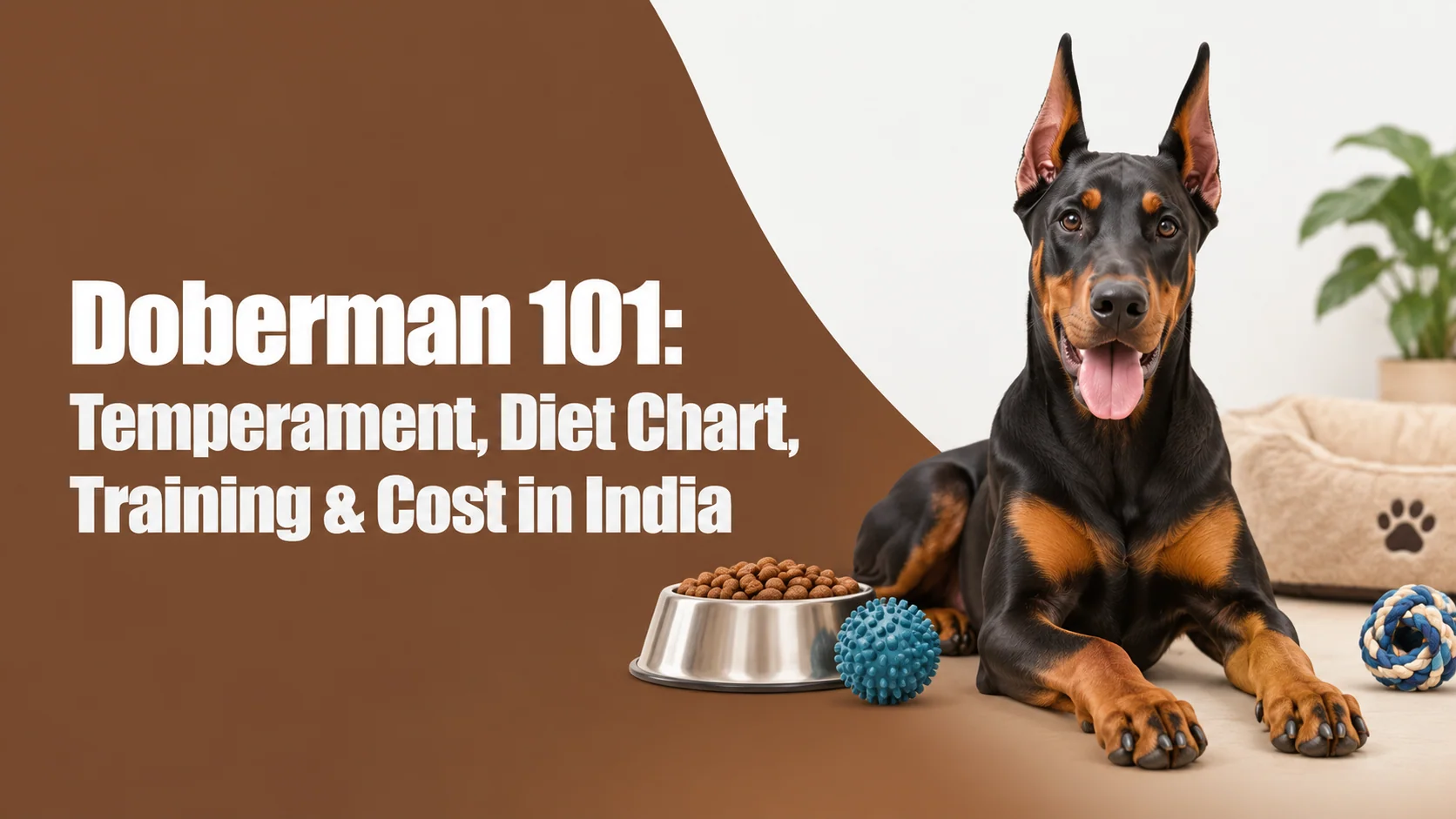
Doberman 101: Temperament, Diet Chart, Training & Cost in India
Strong athletic and always alert the Doberman has a reputation for being an intimidating guard dog. However a well-raised Doberman can also be a loyal affectionate and playful companion who enjoys spending time with family.
The Doberman Pinscher is an intelligent and energetic breed that responds well to consistent training. Its strength and protective instincts also mean that early socialisation and regular exercise are important parts of responsible ownership.
Thinking about bringing a Doberman home? This guide covers everything Indian pet parents should know about Doberman temperament with family, training, diet, grooming, vaccination, common health concerns and the Doberman price in India.
Doberman Dog at a Glance
Here are some basic characteristics of the Doberman breed:
Breed group: Working
Size: Medium to large
Coat: Short and smooth
Temperament: Loyal intelligent and alert
Energy level: High
Training needs: High
Grooming: Low to moderate
Best suited for: Active and committed households
Originally developed as working and guarding dogs Dobermans thrive when they have meaningful activities and regular interaction with their families.
They are not dogs that generally enjoy being left alone outdoors for long periods. They need companionship and a structured routine that includes exercise and mental stimulation.
Doberman Temperament With Family
Do not let their serious appearance fool you. A well-socialised Doberman dog can be affectionate playful and closely bonded with family members.
Many Dobermans enjoy following their favourite people around the house and being involved in everyday activities. They are intelligent dogs that often respond well to clear communication and consistent routines.
Are Dobermans Good Family Dogs?
Yes. Dobermans can make excellent family companions when they receive proper training and care.
However their size and energy mean that supervision is important particularly around young children. Teach children not to pull the dog's ears or tail or disturb it while eating or sleeping. Rough play should also be discouraged.
A positive Doberman temperament with family develops through responsible breeding early socialisation and respectful handling. Every dog has an individual personality so consistent training and supervision remain essential.
Why Socialisation Matters
Dobermans can be naturally watchful around unfamiliar people. Early socialisation helps them become more comfortable in different everyday situations.
Gradually introduce your puppy to:
Different people and friendly dogs.
Household visitors and familiar surroundings.
Everyday sounds and activities.
New walking routes and outdoor environments.
Different surfaces and experiences.
The goal is not to make your dog greet every stranger enthusiastically. It is to help your Doberman remain calm and confident around unfamiliar people and situations.
When Should Doberman Training Start?
Training should begin as soon as your puppy comes home. Young dogs learn from everyday interactions and benefit from clear guidance from an early age.
Start with basic commands and habits such as name recognition toilet training sit recall leave it and loose-lead walking.
Keep training sessions short and enjoyable. Reward good behaviour with treats toys praise or play. Consistency from every family member helps your dog understand what is expected.
Why Early Training Is Important
An excited puppy jumping on visitors may seem harmless. A strong adult Doberman doing the same thing can be difficult to manage.
Teach calm greetings impulse control and appropriate walking manners before unwanted habits become established.
Avoid harsh punishment or intimidation. Reward-based training helps build trust and encourages reliable behaviour. If you are new to handling large or energetic dogs consider working with a qualified positive-reinforcement trainer.
How Much Exercise Does a Doberman Need?
Dobermans are athletic dogs that enjoy an active lifestyle. Adult dogs generally benefit from daily walks and activities suited to their fitness and health.
You can include:
Brisk walks and controlled running.
Fetch and interactive play.
Obedience training.
Scent games and puzzle toys.
Learning new commands and activities.
Mental stimulation is just as important as physical exercise. Puzzle toys and scent-based games can help keep your Doberman engaged.
Puppies need gentler age-appropriate activities while their bones and joints develop. Avoid excessive forced running repeated high jumps and strenuous exercise until they are physically mature. Ask your veterinarian for guidance on an appropriate exercise routine.
Doberman Feeding Chart: What and How Much to Feed
A healthy Doberman diet should match your dog's age body weight activity level and nutritional requirements.
There is no single feeding chart that works for every Doberman. However meal frequency can provide a useful starting point.
General Doberman feeding schedule:
Young puppy: 3–4 meals daily.
Older puppy: Around 3 meals daily.
Adolescent: Usually 2–3 meals daily.
Adult: Usually 2 measured meals daily.
The exact portion depends on the food you choose and your dog's individual needs. Follow the feeding instructions on the product packaging and adjust portions with veterinary guidance.
Explore dog food options at Zigly to compare available choices for different life stages.
What Should a Doberman Puppy Eat?
Growing puppies need complete and balanced puppy food that supports healthy development.
Choose a formula appropriate for your puppy's expected adult size. It should provide the nutrients required for growth including protein fats vitamins and minerals.
Avoid overfeeding to encourage rapid growth. Maintaining a healthy body condition is more important than making your puppy as large as possible.
Do not add calcium or other supplements to a complete puppy diet unless recommended by your veterinarian.
How Much Should an Adult Doberman Eat?
The daily food quantity depends on your dog's weight activity level age and the calorie content of its food.
Rather than relying only on a fixed number of cups monitor your dog's body condition. You should generally be able to feel the ribs beneath a light layer of fat without them being visibly prominent.
Remember to include training treats and snacks in the total daily calorie intake. If your Doberman is gaining or losing weight unexpectedly consult your veterinarian about adjusting its diet.
Should Dobermans Eat One Big Meal?
It is generally more practical to divide your Doberman's daily food into multiple measured meals rather than offering one large meal.
Dobermans are among the breeds at risk of gastric dilatation-volvulus (GDV) which is commonly known as bloat. This is a serious condition that requires immediate veterinary attention.
Warning signs can include:
A swollen or distended abdomen.
Repeated unsuccessful attempts to vomit.
Restlessness and discomfort.
Excessive drooling.
Weakness or collapse.
If you suspect bloat seek emergency veterinary care immediately. Do not wait for symptoms to improve on their own.
Doberman in Indian Summer: Heat Care
Indian summers can be challenging for active dogs. Although Dobermans have short coats they are not immune to overheating or heatstroke.
Follow a few simple precautions during warmer months:
Schedule walks during early mornings or cooler evenings.
Keep fresh drinking water available throughout the day.
Provide a shaded and well-ventilated resting area.
Avoid walking on hot pavements.
Limit strenuous outdoor activity during peak temperatures.
Never leave your dog inside a parked vehicle.
Watch for excessive panting weakness unusual behaviour or difficulty breathing. These can be signs of heat-related distress and require prompt veterinary attention.
Doberman Grooming: Simple but Important
Doberman grooming is relatively straightforward compared with the maintenance required by many long-haired breeds. Their short smooth coat benefits from regular brushing to remove loose hair and keep it clean.
Include these basic activities in your dog's grooming routine:
Brushing: Use a suitable brush regularly to remove loose fur.
Bathing: Bathe when needed using a dog-specific shampoo.
Nail trimming: Keep nails at a comfortable length.
Ear checks: Check the ears for dirt redness or unusual discharge.
Dental care: Maintain regular brushing with dog-specific toothpaste.
Dobermans can still shed despite having short hair. Regular grooming also gives you an opportunity to notice skin changes or other concerns early.
Doberman Vaccination: What Pet Parents Should Know
A proper Doberman vaccination schedule helps protect your dog against potentially serious infectious diseases.
Puppies generally need a series of vaccinations. The timing depends on their age previous vaccination history and veterinary assessment.
Core protection commonly includes vaccines against:
Canine distemper.
Canine parvovirus.
Canine adenovirus.
Rabies.
Additional vaccines may be recommended depending on local disease risks and your dog's lifestyle.
Keep vaccination records updated and follow your veterinarian's advice about booster doses. These records may also be required for boarding travel and other pet services.
Common Doberman Health Problems
Dobermans can live active and healthy lives. However understanding certain breed-related health risks can help pet parents make informed decisions about preventive care.
Some health conditions associated with the breed include:
Dilated Cardiomyopathy (DCM): This is a serious heart condition that can affect Dobermans. Regular veterinary check-ups and appropriate cardiac screening are important.
Von Willebrand Disease: This is an inherited blood-clotting disorder that can affect how the body controls bleeding. Genetic testing may help identify affected dogs and carriers.
Hip Dysplasia: This condition affects the hip joints and may cause discomfort or difficulty with movement.
Hypothyroidism: A thyroid disorder that can affect metabolism and may cause changes in weight energy levels and coat condition.
Gastric Dilatation-Volvulus: Also known as bloat this is a potentially life-threatening emergency involving stomach distension and twisting.
When choosing a puppy ask the breeder about the parents' health history and available cardiac screening hip evaluations and inherited disease testing. Regular veterinary consultations can also help monitor your dog's health as it grows.
Doberman Price in India
The Doberman price in India can vary considerably depending on the breeder and location. There is no fixed national price that applies to every puppy.
Factors that may influence the cost include:
Pedigree and parentage.
Health screening and veterinary records.
Breeder reputation and breeding practices.
Registration and documentation.
Age and availability.
Location and local demand.
Avoid selecting a puppy simply because it looks muscular intimidating or inexpensive. Be cautious of breeders who promote aggressive behaviour or make unrealistic claims about a puppy's temperament.
Responsible breeding stable temperament and good health should matter more than appearance or price.
What Does Owning a Doberman Cost?
The initial purchase price is only one part of responsible pet ownership. You also need to plan for regular expenses throughout your dog's life.
These may include:
Complete and balanced dog food.
Vaccinations and veterinary consultations.
Tick and flea prevention.
Training and socialisation.
Grooming products and accessories.
Walking equipment and toys.
Emergency veterinary care.
As a large and active breed a Doberman needs a consistent supply of suitable food and regular healthcare. Professional training may also be a worthwhile investment.
Plan your monthly and yearly pet care budget before bringing a puppy home rather than focusing only on the initial Doberman price.
Is a Doberman Right for You?
A Doberman could be a wonderful companion if you enjoy an active lifestyle and can commit time to daily exercise training and family interaction.
However this breed may not be suitable for someone looking for a low-energy dog or a pet that can be left alone outdoors for extended periods.
Dobermans thrive with structure companionship and consistent attention. Before bringing one home consider your daily routine available space and ability to meet the dog's physical and mental needs.
Frequently Asked Questions
Are Dobermans good family dogs?
Yes. A well-bred and properly socialised Doberman can be a loyal and affectionate family companion. However children should always be supervised around dogs and taught to handle them respectfully.
How much should a Doberman eat?
The daily quantity depends on your dog's age weight activity level and the food's calorie content. Follow the feeding guide on the exact product and consult your veterinarian if you need help with portion sizes.
Can Dobermans live in hot Indian cities?
Yes. Dobermans can live in Indian cities with suitable care. Provide fresh water and shade and schedule walks during cooler hours. Avoid strenuous activity in extreme heat.
What is the price of a Doberman in India?
The Doberman price in India varies according to location breeder pedigree and health screening. Compare responsible breeders and consider long-term care expenses before choosing a puppy.
Are Dobermans difficult to train?
Dobermans are intelligent and generally respond well to consistent reward-based training. Early socialisation and clear boundaries are important for developing good behaviour.
The Bottom Line
A Doberman Pinscher offers much more than a strong and watchful appearance. With patient training early socialisation regular exercise and preventive healthcare this intelligent breed can become a deeply loyal family companion.
The real investment is not simply bringing a Doberman home. It is providing the care structure and attention the dog needs throughout its life.
Preparing to bring a Doberman puppy home or already caring for one in Sector 10 and Panchkula? Visit a nearby Zigly store to explore suitable dog food and everyday pet care essentials. You can also shop dog food at Zigly