














 ₹https://stores.zigly.com/locations/-in-sahibzada-ajit-singh-nagar/-in-sector-70/zigly-vet-clinic-pet-grooming-pet-products-in-sector-70-sahibzada-ajit-singh-nagar--3uimSd/articles/why-has-my-adult-dog-suddenly-become-more-independent-when-it-is-normal-and-when-it-is-not-in-sahibzada-ajit-singh-nagar--b7a78a54-6be1-484f-8c54-6d6558df4cd1
Zigly - Vet Clinic, Pet Grooming & Pet Products, Sector 70, sahibzada ajit singh nagar
Vet Clinic, Pet Grooming & Pet Products Shop in Sector 70, Sahibzada Ajit Singh Nagar, Punjab
SCO No 526, Ground Floor, Sector 70, sahibzada ajit singh nagar, punjab - 160071
Book an Appointment
Zigly - Vet Clinic, Pet Grooming & Pet Products Social Feeds in Sector 70, sahibzada ajit singh nagar
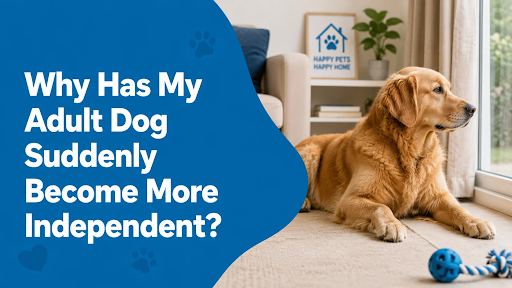
Why Has My Adult Dog Suddenly Become More Independent? When It Is Normal and When It Is Not in sahibzada ajit singh nagar
There was a time your dog followed you to the bathroom, sat by the kitchen while you cooked, and needed to know exactly which room you were in at all times. Lately, you will look up and realise they have been napping in the next room for an hour, perfectly content without checking in. Part of you is relieved, a little space is nice. Part of you wonders if something has changed between you.
If you are a pet parent in sahibzada ajit singh nagar, understanding adult dog behaviour changes can help you recognise whether your dog's growing independence is a normal part of maturity or something that needs attention.
Most of the time, this shift is exactly what it looks like: your dog growing up. But it is worth knowing the difference between settled adult confidence and quietly withdrawing because something is wrong, because they can look surprisingly similar from the outside.
Why Dogs Naturally Become Less Clingy with Age
Puppies stay close because the world is new and slightly overwhelming, and you are their anchor point. As dogs mature, usually somewhere in the one-to-three-year range depending on breed, that intense need for proximity typically eases. They have learned the house is safe, the routine is predictable, and you are not going anywhere. Confidence looks like distance sometimes. A dog secure in their environment does not need to supervise you from three feet away the way an unsure puppy does.
This is genuinely a good sign in most cases. It reflects a dog who trusts their surroundings, not one who has lost interest in you.
What Normal Independence Looks Like in Adult Dogs
Choosing to nap in another room instead of right beside you
Not immediately getting up when you move to a different part of the house
Playing independently with toys rather than needing you involved
Still greeting you enthusiastically at the door, still seeking affection on their own terms, just less constantly
The common thread here is that your dog is still engaged with you, just not anxiously tethered to you. Appetite, energy, sleep, and enthusiasm for walks and play all stay roughly the same. The independence is additive, a new layer of confidence, not a subtraction of interest.
When a Dog Becoming Independent Needs a Closer Look
The nuance here is genuinely important: independence that comes with confidence looks different from withdrawal that comes with discomfort. If the new distance is paired with any of the following, it is worth paying closer attention rather than assuming it is just maturity:
Reduced interest in things they used to love, favourite toys, walks, greeting you at the door
Hiding or seeking out unusual spaces to be alone
Any change in appetite, water intake, or bathroom habits alongside the behaviour shift
Reluctance to be touched or picked up in areas that were not sensitive before
The change happening quite suddenly rather than gradually over months
Dogs are remarkably good at masking discomfort, and physical pain, joint stiffness, dental issues, even something as subtle as vision changes, often shows up first as "wanting to be left alone" rather than any obvious limping or whimpering. A dog in mild discomfort frequently chooses to retreat rather than draw attention to themselves.
Use the Timeline to Understand the Behaviour Change
One useful way to sort this out is the timeline test. Gradual independence that has built up over months, alongside a dog who is otherwise completely themselves, is almost always just maturity.
A sudden shift over days or a couple of weeks, especially in an older adult dog, deserves a second look. The pace of the change tells you almost as much as the change itself.
What This Really Comes Down To
A dog choosing comfortable distance because they trust you and their environment is not drifting away from you. If anything, it is the relationship working exactly as it should. The one worth watching for is the dog who pulls back while something else about them quietly changes too. Knowing your dog well enough to spot that second pattern is really the whole skill here.
If the new distance comes with any change in appetite, energy, or how your dog moves, a quick check-in with Zigly VetCare in sahibzada ajit singh nagar is worth it before assuming it is just growing up.
For pet parents in Sector 70, some distance is simply your dog telling you they finally feel at home. The trick is knowing when it is saying something else instead.
FAQs About Adult Dog Independence and Behaviour Changes
Is It Normal for Adult Dogs to Become Less Clingy?
Yes, it is very common as dogs mature and settle into their environment with confidence. As long as their appetite, energy, and enthusiasm for things they enjoy stay consistent, it is usually a positive sign rather than a concern.
How Do I Know If My Dog's Independence Is a Health Issue?
Watch for whether the distance is paired with other changes, such as appetite, sleep, reluctance to be touched, or reduced interest in favourites like walks or toys. A sudden shift over days rather than months is also worth a closer look.
Can a New Pet or Household Change Cause a Dog to Become Distant?
Yes, changes in the household, including a new pet, a shift in routine, or family changes, can affect behaviour and sometimes get mistaken for natural maturity. It is worth considering what else has changed at home around the same time.
Should I Be Concerned If My Dog Stops Following Me Around the House?
Not on its own. Many adult dogs naturally reduce this behaviour as they mature. It becomes worth a vet visit only if it is accompanied by other changes in appetite, mobility, or overall demeanour.