















 ₹https://stores.zigly.com/locations/-in-sahibzada-ajit-singh-nagar/-in-sector-70/zigly-vet-clinic-pet-grooming-pet-products-in-sector-70-sahibzada-ajit-singh-nagar--3uimSd/articles/why-does-my-senior-dog-suddenly-sleep-so-much-in-sahibzada-ajit-singh-nagar-understanding-normal-ageing-vs-health-concerns--269c444c-ea23-4bc9-af00-5497690f324d
Zigly - Vet Clinic, Pet Grooming & Pet Products, Sector 70, sahibzada ajit singh nagar
Vet Clinic, Pet Grooming & Pet Products Shop in Sector 70, Sahibzada Ajit Singh Nagar, Punjab
SCO No 526, Ground Floor, Sector 70, sahibzada ajit singh nagar, punjab - 160071
Book an Appointment
Zigly - Vet Clinic, Pet Grooming & Pet Products Social Feeds in Sector 70, sahibzada ajit singh nagar
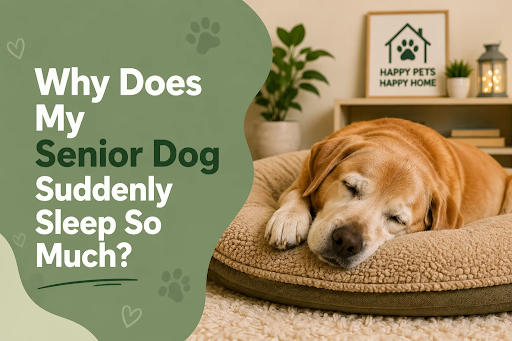
Why Does My Senior Dog Suddenly Sleep So Much in sahibzada ajit singh nagar? Understanding Normal Ageing vs Health Concerns
You walk past the living room three times in an afternoon, and your dog has not moved from the same spot. A few years ago, they would have been up the moment you passed, tail going, ready for whatever came next. Now they open one eye, decide it is not worth getting up for, and go back to sleep. You stand there for a second, half-smiling, half-worried, wondering which one of those reactions is the right one.
Honestly, it is probably both. Senior dogs do sleep considerably more than younger adults, and it is usually nothing to panic about. But “usually” is doing some work in that sentence, and if you are a pet parent in Sector 70, sahibzada ajit singh nagar, it is worth knowing what separates normal senior sleepiness from something that deserves a closer look.
How Much Sleep Is Actually Normal for a Senior Dog
Adult dogs typically sleep around 12–14 hours a day. Senior dogs commonly sleep 16–18 hours, sometimes more, and this is a genuine, expected shift rather than a sign of decline on its own.
Older bodies simply need more recovery time, metabolism slows, and the deep, restorative sleep that used to come easily starts breaking up into shorter, lighter stretches. Paradoxically, this means an older dog often needs more total sleep hours to feel equally rested.
What Normal Senior Sleep Looks Like
Sleeping more overall, but still waking readily and alert when something interesting happens, such as food, a visitor, or the leash
Still enthusiastic, even if briefly, about the things they have always loved
Waking up and moving normally, even if a little stiffly at first
Appetite and bathroom habits staying consistent
The increase in sleep having crept up gradually over months, not weeks
A senior dog who sleeps eighteen hours a day but still perks up completely for dinner and still wants their evening walk, even a shorter one, is generally just being an older dog. The engagement is still there. It is just wrapped in more rest than before.
When It Is Worth a Closer Look
The nuance that matters here: sleeping more is normal, but sleeping differently is what deserves attention. Watch for:
Difficulty waking, or seeming disoriented for longer than usual after waking
Sleep that has replaced enthusiasm rather than just increased alongside it, with no longer perking up for things that used to reliably get a reaction
Changes in breathing pattern while asleep
Appetite loss, increased thirst, or bathroom accidents appearing alongside the sleep changes
A sudden jump in sleep over a couple of weeks rather than a gradual drift over months
Excessive sleepiness alongside these other signs can point to things worth ruling out, such as pain that is making activity less appealing, early cognitive changes, thyroid issues, or other conditions more common in older dogs.
None of this means assuming the worst. It means the combination is the signal, not the sleep alone.
The Nuance Between Sleep and Withdrawal
One thing that trips people up: it is easy to mistake a senior dog quietly withdrawing due to pain or discomfort for a dog who is simply sleeping more due to age.
The distinguishing detail is usually in the waking moments. A dog who is just sleeping more but is still themselves when awake is different from a dog who seems subdued or uninterested even during their waking hours.
If your dog is up but not really “there” in the way they used to be, that is a different pattern worth mentioning at their next visit.
Cognitive Changes Are Part of This Conversation Too
Canine cognitive dysfunction, often described as the canine equivalent of dementia, can also affect sleep patterns. It may cause more daytime sleeping alongside restlessness or disorientation at night.
This is more common than most pet parents realise in dogs over ten, and it is frequently missed because the daytime sleepiness gets chalked up to “just old age” while the nighttime restlessness gets chalked up to a bad night.
If both are happening together, it is worth raising with your vet specifically, since there are ways to support cognitive health when it is caught reasonably early.
What This Really Comes Down To
More sleep is not your senior dog fading. It is usually just their body asking for more recovery time than it used to need, and that is a completely reasonable thing for an older body to want.
The real skill is watching not how much they sleep, but how they are in the hours they are awake. That is where the real information lives.
If the sleepiness feels like it has replaced your dog’s usual spark rather than just increased around it, a check-in with Zigly VetCare is worth having sooner rather than later.
For pet parents in Sector 70, sahibzada ajit singh nagar, let them sleep. Just keep half an eye on who they are in the moments they are not.
FAQ
How many hours should a senior dog sleep per day?
Many senior dogs sleep 16–18 hours a day or more, compared to 12–14 hours for younger adults. This increase is generally normal, as long as the dog is alert and engaged during waking hours.
Is increased sleep in old dogs a sign of illness?
Not on its own. It becomes a concern when paired with other changes, such as appetite loss, difficulty waking, disorientation, or a loss of enthusiasm even when awake. The combination matters more than the sleep amount alone.
Can senior dogs get dementia-like symptoms?
Yes, canine cognitive dysfunction is fairly common in dogs over ten and can affect sleep patterns, sometimes causing more daytime sleep alongside nighttime restlessness or disorientation. It is worth mentioning to your vet if you notice both together.
Should I wake my senior dog up if they are sleeping too much?
Generally no. Let them rest, since extra sleep is often exactly what an ageing body needs. Focus instead on how alert and responsive they are during the times they are naturally awake.