















 ₹https://stores.zigly.com/locations/-in-mumbai/-in-malad-west/zigly-prolife-specialty-vet-clinic-in-malad-west-mumbai--1YvKmW/articles/when-should-you-take-your-pet-to-the-vet-a-practical-guide-to-routine-vs-urgent-care-in-mumbai--cc9a05b1-2b34-464f-83c8-e8b9514685ae
Zigly Prolife Specialty Vet Clinic, Malad West, mumbai
Vet Clinic, Pet Grooming & Pet Products Shop in Malad West, Mumbai, Maharashtra
Shop No 8-12, Kirit Building, Movietime Theatre Lane, Evershine Nagar, Ramchandra Lane, Khandelwal Layout, Evershine Nagar, Opposite BMC Cattle Compound, Malad West, mumbai, maharashtra - 400064
Book an Appointment
Zigly Prolife Specialty Vet Clinic Social Feeds in Malad West, mumbai
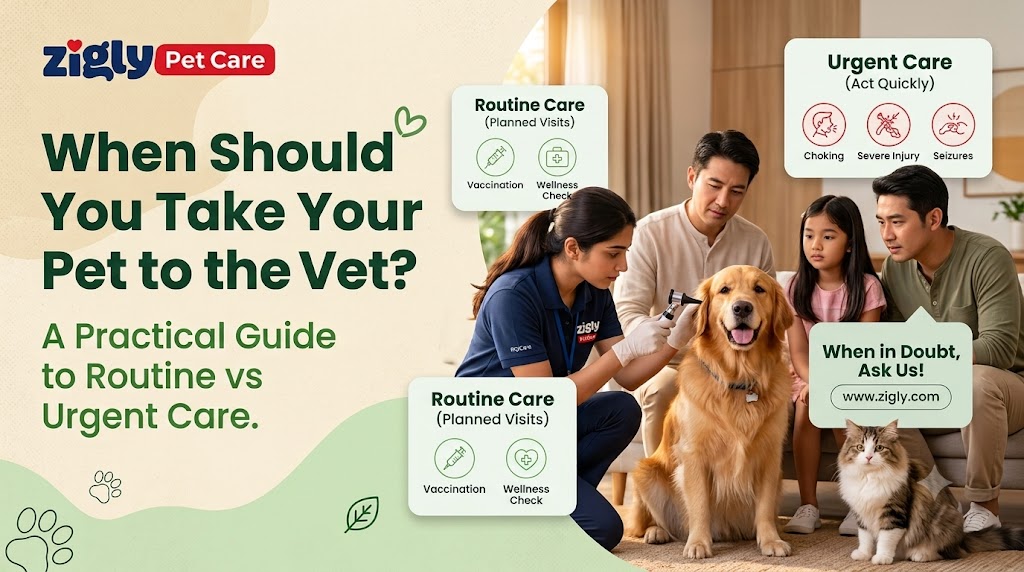
When Should You Take Your Pet to the Vet? A Practical Guide to Routine vs Urgent Care in Mumbai
Every pet parent has faced that moment of doubt. Your dog seems a little off, or your cat skipped a meal, and you wonder: is this something to watch, or something to worry about? Knowing when to take pet to vet is one of the most useful skills you can build, because it helps you act quickly when it matters and stay calm when it does not.
This guide is meant for pet parents in Malad West, Mumbai who want a clear, sensible way to tell routine care apart from urgent care. It is general information, not a diagnosis. When in doubt, always speak to a qualified veterinarian.
Not Every Change Requires an Emergency Visit
Pets have off days, just like us. A single skipped meal, a short bout of low energy or a minor change in mood is not always a red flag. The key is the pattern. A one-time change that passes quickly is usually fine to monitor. A change that lasts, worsens or comes with other symptoms deserves attention.
When Routine Veterinary Care Is Important
Routine veterinary care is what keeps small problems from becoming big ones. Even a healthy pet benefits from regular checkups, vaccinations and preventive care. A routine pet checkup lets a vet catch early signs you might miss at home, and it keeps your pet's records, weight and dental health on track.
As a general rhythm, most healthy adult pets do well with a checkup at least once a year, while puppies, kittens and senior pets often need more frequent visits. Your vet can suggest the right schedule for your pet.
Cats deserve a special mention here. They are experts at hiding illness, a survival instinct that can work against them at home. A cat that is unwell may simply hide more, groom less, eat a little differently or use the litter box in a new way. Because these signs are subtle, regular checkups matter even more for cats, and any lasting change is worth a call to your vet.
Signs You Should Schedule a Vet Appointment
Some changes are not emergencies but should not be ignored either. Book a pet vet visit if you notice:
Changes in appetite or drinking that last more than a day or two
Gradual weight loss or weight gain
Persistent itching, hair loss or skin irritation
Bad breath, drooling or difficulty eating
Low energy or reluctance to play that continues
Changes in toileting habits
These are the kinds of pet health check prompts that are best handled with a planned appointment rather than a wait-and-see approach.
Symptoms That May Need Urgent Attention
Some situations need fast action. If your pet shows any of the following, contact a vet or an emergency service right away.
Difficulty Breathing
Laboured breathing, choking, or gums that look pale or blue are serious. Breathing problems can worsen quickly and should always be treated as urgent.
Repeated Vomiting or Diarrhoea
Occasional upset can happen, but repeated vomiting or diarrhoea, especially with blood, weakness or signs of pain, can lead to rapid dehydration and needs prompt care.
Severe Injury
Road accidents, deep wounds, heavy bleeding, or a suspected broken bone are clear emergencies. Keep your pet calm and warm, and get to a vet as fast as safely possible.
Sudden Behaviour or Mobility Changes
Collapse, seizures, sudden confusion, an inability to stand, or extreme restlessness are all pet emergency signs. Do not wait to see if they pass.
In an emergency, staying calm helps your pet stay calm too. Move gently, avoid restraining a frightened or injured pet more than necessary, keep them warm, and call ahead so the clinic is ready when you arrive. If poisoning is suspected, take the packaging or a photo of what your pet may have eaten, as it helps the vet act faster.
What Information Should You Share With Your Vet?
You are your vet's most important source of information. Before a visit, note down when the symptoms started, what has changed, your pet's eating and toileting, any new foods or products, and anything unusual you have seen. Clear details help your vet make faster, better decisions.
How Regular Preventive Care Can Help
Prevention is almost always easier and kinder than treatment. Vaccinations, parasite control, dental care and regular checkups reduce the chance of serious illness and help you spot issues while they are still small. A steady preventive habit is the quiet backbone of good pet health, and it often works out far cheaper than treating a problem that was allowed to grow. Seasonal risks are worth planning for as well. Ticks, fleas and mosquitoes become more active in warm, humid weather, so timely parasite protection through the Mumbai monsoon and summer months can prevent a lot of discomfort and cost down the line.
When in Doubt, Ask a Veterinary Professional
No article can replace a real examination. If you are genuinely unsure whether something is routine or urgent, it is always better to ask. A quick call or consultation can settle your worry and, when needed, get your pet care fast.
Zigly VetCare brings together experienced veterinarians and modern diagnostic facilities, with preventive health checks and vaccinations, diagnostics, surgeries and dental care, emergency and critical care, and nutrition and lifestyle counselling. For pet parents in Mumbai, appointments can be booked online at select Zigly Petcare Centres.
Frequently Asked Questions
Q1. When should I take my dog to the vet? Book a visit for lasting changes in appetite, energy, weight or toileting, and seek urgent care for breathing trouble, severe injury, repeated vomiting, collapse or seizures.
Q2. When should I take my cat to the vet? Cats often hide illness, so watch for subtle signs like hiding, reduced grooming, appetite changes or litter box changes. Persistent signs deserve a checkup.
Q3. What counts as a pet emergency? Difficulty breathing, heavy bleeding, suspected poisoning, seizures, collapse, or an inability to urinate are emergencies that need immediate veterinary help.
Q4. How often does a healthy pet need a routine checkup? Most healthy adult pets benefit from at least an annual checkup, with more frequent visits for puppies, kittens and senior pets. Your vet will advise the right schedule.
Q5. My pet seems fine but slightly off. Should I wait or call? If it is a mild, one-off change, it is reasonable to monitor for a day. If it lasts, worsens or comes with other symptoms, call your vet. When you are unsure, a quick call is always better than waiting.
Final Thoughts
Learning when to take pet to vet is really about reading patterns: routine changes can be monitored or scheduled, while urgent symptoms need immediate care. When you are unsure, ask a professional rather than guess.
If your pet in Malad West, Mumbai is due for a checkup or you have a health concern, Zigly VetCare offers expert-led, compassionate care. Book online or visit your nearest Zigly Petcare Centre.
This blog is for general awareness only and is not a substitute for professional veterinary advice, diagnosis or treatment.