













 ₹https://stores.zigly.com/locations/-in-gurugram/-in-sectors-47-and-49/zigly-pet-care-pet-grooming-pet-products-in-sectors-47-and-49-gurugram--7dnC4e/articles/what-should-you-feed-a-3-month-old-puppy-a-vet-approved-feeding-guide-for-pet-parents-in-sectors-47-and-49-gurugram--f83f946b-07c1-43d1-9351-b9b3caba0a36
Zigly Pet Care - Pet Grooming & Pet Products, Sectors 47 and 49, gurugram
Vet Clinic, Pet Grooming & Pet Products Shop in Sectors 47 And 49, Gurugram, Haryana
Unit No BG-32, Block B, Ground Floor, Element One, Opposite Park Hospital, Sectors 47 and 49, gurugram, haryana - 122018
Book an Appointment
Zigly Pet Care - Pet Grooming & Pet Products Social Feeds in Sectors 47 and 49, gurugram
What Should You Feed a 3-Month-Old Puppy? A Vet-Approved Feeding Guide for Pet Parents in Sectors 47 and 49, gurugram
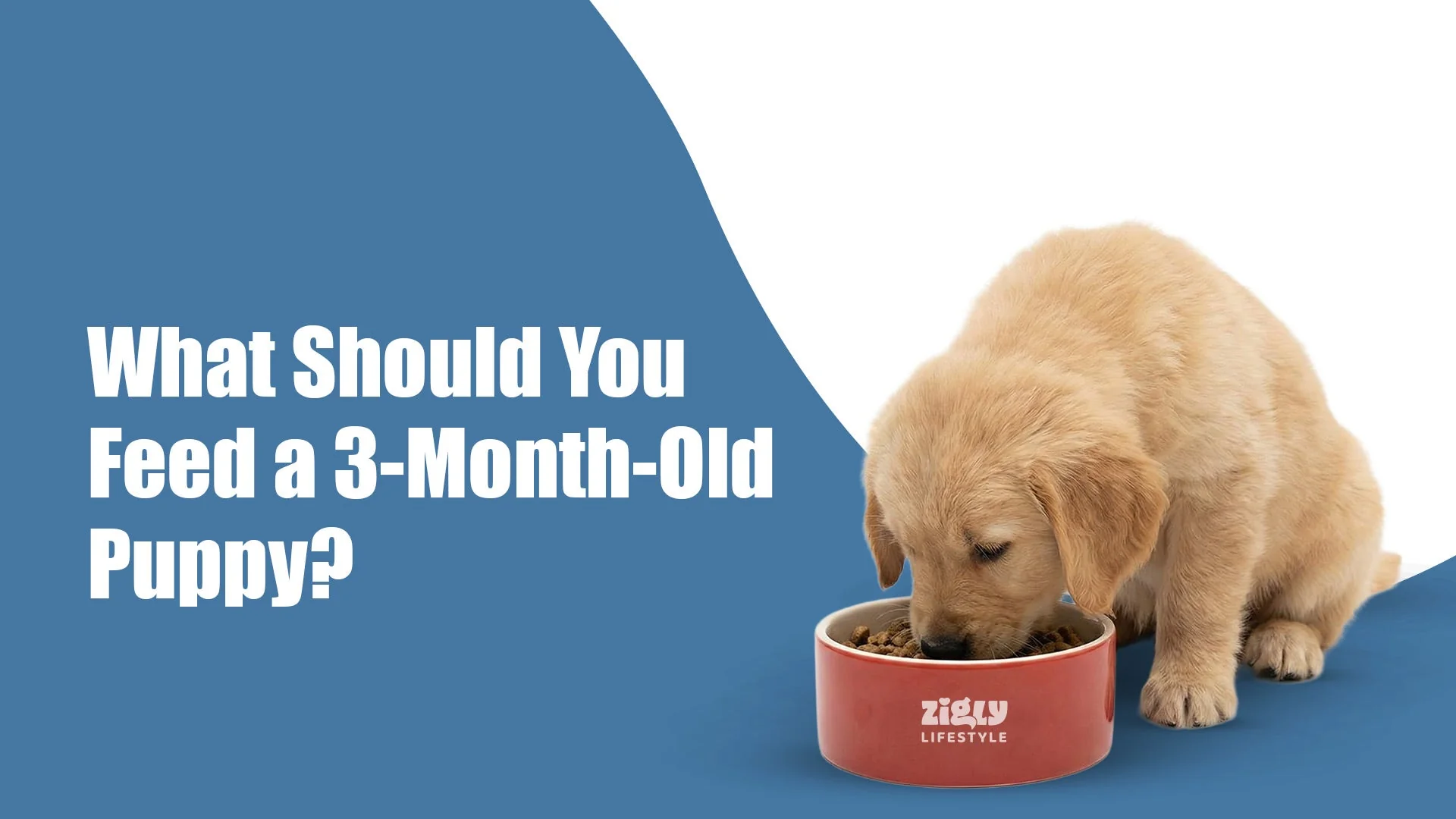
Raising a 3-month-old puppy in Sectors 47 and 49, gurugram is exciting, but it comes with important responsibilities especially nutrition. At this stage, your puppy needs high-protein, calcium-balanced, easily digestible food, fed 3–4 times a day, with portions tailored to their breed and expected adult size.
Feeding a puppy is more than filling their bowl; it’s laying the foundation for strong bones, healthy digestion, and lifelong immunity. Pet parents in Sectors 47 and 49, gurugram trust Zigly Petcare for guidance on feeding, portion control, and selecting age-appropriate nutrition that supports optimal growth. This vet-approved guide walks you through what to feed, what to avoid, and common mistakes Indian pet parents make..
Why Feeding Matters Most at 3 Months
At around 12 weeks of age, your puppy enters one of the fastest growth phases of their life.
During this stage:
Bones lengthen rapidly
Joints are still soft and developing
Muscles begin to strengthen
Digestive enzymes are still maturing
Immunity is building post-vaccination
Even small nutritional imbalances at this stage can result in long-term issues such as:
Weak or bowed legs
Joint problems in adulthood
Obesity due to early overfeeding
Chronic digestive sensitivity
Poor skin and coat health
At three months, food acts as a blueprint for your puppy’s future health.
Best Types of Food for a 3-Month-Old Puppy
1. Puppy-Specific Dry Food (Vet Recommended)
A high-quality puppy kibble is the safest and most balanced option for most pet parents.
When selecting dry food, ensure the pack clearly mentions:
“Puppy” or “Growth Formula”
Protein content: 26–32% for muscle development
Fat content: 14–20% for energy and brain growth
DHA for brain and vision development
Balanced calcium and phosphorus for healthy bone growth
Puppy formulas support steady, controlled growth, not rapid or uneven weight gain.
Avoid “all life stage” foods at this age especially for medium and large breeds as they often lack precise mineral balance.
2. Wet Food for Puppies (Supportive, Not Essential)
Wet food is optional but can be helpful in certain situations:
Puppies that are underweight
Puppies transitioning from mother’s milk
During teething when chewing is uncomfortable
During recovery after vaccination or illness
Wet food should always be:
Puppy-specific
Given in measured portions
Used alongside dry food unless advised otherwise by a vet
3. Home-Cooked Food (Only with Proper Planning)
Many Indian pet parents prefer home-cooked meals, but this option requires careful planning and supplementation.
A nutritionally balanced home diet must include:
High-quality protein (boiled chicken or egg whites)
Carbohydrates (rice or oats)
Fibre and micronutrients (pumpkin or carrot)
Calcium supplements to prevent bone weakness
Feeding only rice, curd, or chicken without supplements can cause severe calcium deficiency, leading to weak bones and deformities.
Home diets should ideally be planned with a veterinarian or veterinary nutritionist.
How Much Should a 3-Month-Old Puppy Eat?
Portion sizes should be based on expected adult size, not current puppy size.
Approximate Daily Feeding Guidelines:
Small breeds: 80–120 grams
Medium breeds: 150–220 grams
Large breeds: 250–350 grams
Divide the total into 3–4 meals per day.
Always:
Follow the feeding chart on the food pack
Adjust portions based on activity level
Monitor body condition and stool consistency
A healthy puppy should feel firm and energetic, not pot-bellied or bony.
Ideal Feeding Schedule for a 3-Month-Old Puppy
Foods You Must Never Feed a 3-Month-Old Puppy
Some commonly offered foods can be harmful or dangerous.
Avoid completely:
Milk and dairy products
Cooked or raw bones
Chocolate, onions, garlic
Salty, spicy, or fried foods
Biscuits, bread, sweets, and leftovers
If a food isn’t specifically made for puppies, it’s best avoided.
Common Feeding Mistakes Indian Pet Parents Often Make
Many growth and digestion problems stem from these habits:
Overfeeding because the puppy “looks hungry”
Frequently changing food brands
Mixing kibble, wet food, and home food in the same meal
Giving supplements without veterinary guidance
Skipping meals and compensating later
A simple, consistent diet is far safer than frequent experimentation.
Conclusion
Feeding a 3-month-old puppy correctly in Sectors 47 and 49, gurugram is crucial for healthy growth and lifelong wellbeing. Balanced meals, proper portions, and consistent schedules support strong bones, immunity, and overall health.
If you’re unsure about food choices, portions, or supplements, professional guidance is invaluable. Zigly Petcare provides expert consultations, personalised nutrition plans, and vet-approved feeding advice for puppies in India, helping pet parents make informed decisions during this critical growth stage..
FAQs
How many times should a 3-month-old puppy eat?
3 to 4 times daily.
Can a 3-month-old puppy eat home food?
Yes, but only if it’s nutritionally balanced and properly supplemented.
Is milk safe for puppies?
No. Most puppies are lactose intolerant and may develop diarrhoea.
Can puppies eat treats at 3 months?
Yes, but treats should not exceed 10% of daily calorie intake.