














 ₹https://stores.zigly.com/locations/-in-gurugram/-in-sectors-47-and-49/zigly-pet-care-pet-grooming-pet-products-in-sectors-47-and-49-gurugram--7dnC4e/articles/signs-your-adult-dog-needs-fewer-calories-than-before-even-if-they%E2%80%99re-still-active--38026c18-bfe8-4b7c-b394-3d7ec52c89e8
Zigly Pet Care - Pet Grooming & Pet Products, Sectors 47 and 49, gurugram
Vet Clinic, Pet Grooming & Pet Products Shop in Sectors 47 And 49, Gurugram, Haryana
Unit No BG-32, Block B, Ground Floor, Element One, Opposite Park Hospital, Sectors 47 and 49, gurugram, haryana - 122018
Book an Appointment
Zigly Pet Care - Pet Grooming & Pet Products Social Feeds in Sectors 47 and 49, gurugram
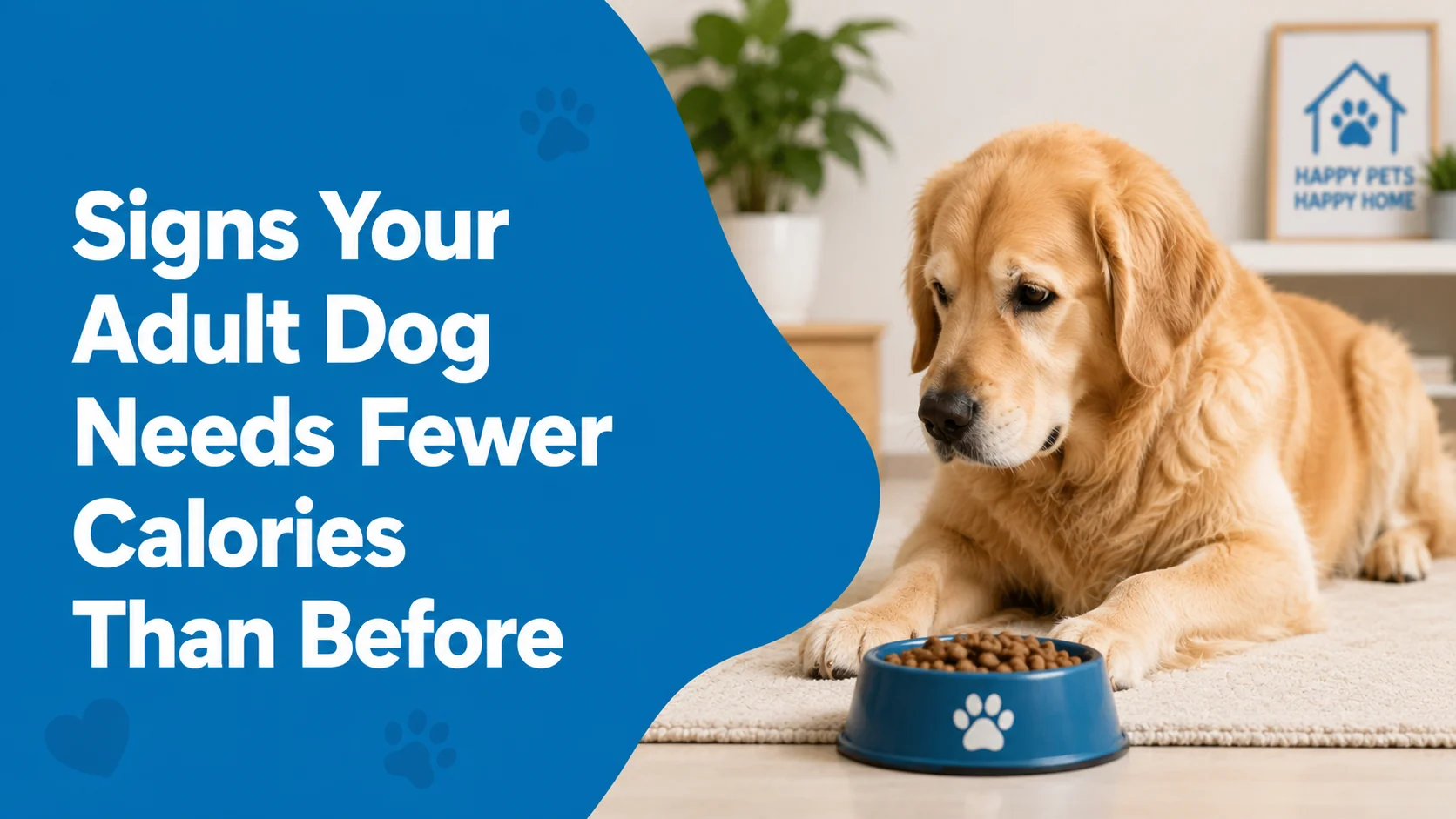
Signs Your Adult Dog Needs Fewer Calories Than Before, Even If They’re Still Active
You have not changed a thing. Same brand of food, same portion you have been scooping out for years, same evening walk. But somewhere along the way, your dog’s collar started sitting a little tighter, and when you ran your hand along their side, you could not find the ribs as easily as you used to. Nothing dramatic happened. That is exactly the point. This kind of change rarely does.
If you are a pet parent in Sectors 47 and 49, gurugram, here is the part that often trips people up: your dog does not have to become less active for this to happen. Metabolism shifts gradually through adulthood, usually starting somewhere between four and seven years old depending on breed and size, and it does this quietly, well before any obvious slowdown in energy or enthusiasm.
Why This Happens Even to Active Dogs
As dogs move past their peak growth and into steady adulthood, their resting metabolic rate, the energy their body burns just existing, gradually decreases. Muscle mass, which burns more calories than fat even at rest, also tends to decline slightly with age unless actively maintained. Your dog can be running the same routes, playing the same games, seeming just as energetic as ever, and still need meaningfully fewer calories than they did at eighteen months old, simply because their baseline is different now.
This is the trap a lot of caring pet parents fall into. They are watching for a drop in energy as the cue to adjust food, when the actual signal is showing up somewhere else entirely: on the body, not in the behaviour.
What to Actually Look and Feel For
Ribs: You should be able to feel them with light pressure, without heavy padding on top. If you have to press firmly to find them, that is worth noting.
Waist: Looking down from above, there should be a visible narrowing behind the ribs. A straight or outward-curving silhouette suggests extra weight.
Tuck: From the side, the belly should tuck up behind the ribcage rather than hanging level with it.
Energy after meals: Some dogs get noticeably sleepier or less interested in play shortly after eating once they are carrying extra weight. This is worth watching for if it is a new pattern.
None of this needs professional equipment. It is a hands-on check you can do in under a minute, and it tells you far more than the number on a food packet ever will.
The Nuance Here
Weight gain in adult dogs is not usually about greed or a sudden change in appetite. It is arithmetic, quietly working in the background. The same portion that matched their calorie needs at three years old can be a caloric surplus at six, even with identical activity levels, simply because less of what they eat is going toward muscle maintenance and more is being stored.
This is not a feeding failure on your part. It is just biology moving the target without telling you.
The other piece worth knowing: treats and table scraps count more than people assume, and they tend to creep up gradually rather than all at once. One extra biscuit here, a bit of your dinner there. None of it feels significant in the moment. Added up over months, it can be the entire difference.
What to Do About It
Small adjustments work better than dramatic ones. Reducing daily food by roughly 10% and reassessing after a few weeks is a reasonable starting point for most healthy adult dogs showing early signs of weight gain, though breed, current weight, and activity level all factor in, so this is worth discussing with your vet rather than guessing.
Swapping a portion of treats for something lower-calorie, or simply reducing treat frequency, often makes a bigger difference than people expect.
Worth flagging: sudden or significant weight gain, not the slow creep described here, but a noticeable change over a few weeks, can occasionally point to something other than diet, including thyroid issues. If the change feels faster or larger than “gradual,” that is a reason to get it checked rather than just adjusting portions.
Staying Ahead of It
The pet parents who catch this early are not weighing their dog’s food to the gram every day. They are doing the thirty-second rib-and-waist check every month or so, the same way you would casually notice if your own trousers fit differently.
Catch it early and it is a small adjustment. Miss it for a year or two and it becomes a bigger conversation involving joint stress, reduced stamina, and a longer road back.
If you are not sure whether what you are feeling is “a little extra padding” or genuinely a concern, a quick check-in with Zigly VetCare can settle it in minutes. It is a far easier conversation to have now than after the weight has been there for a while.
For pet parents in Sectors 47 and 49, gurugram, your dog is not going to tell you their collar feels tighter. That part is on you to notice, and now you know exactly what to feel for.
FAQ
Why is my dog gaining weight if I have not changed their food?
Metabolism naturally slows with age, so the same portion that once matched their needs can become a slight surplus over time, even without any change in diet or activity.
At what age do dogs start needing less food?
It varies by breed and size, but many dogs see metabolic changes begin somewhere between four and seven years old, with larger breeds sometimes shifting earlier.
How can I tell if my dog is overweight without a vet visit?
Feel along their ribs. You should find them with light pressure. Check for a visible waist from above, and look for a belly tuck from the side. If any of these are missing, it is worth having a conversation with your vet.
Should I reduce my dog’s food gradually or all at once?
Gradual adjustments, often starting with around a 10% reduction, tend to work better than sudden changes, and it is worth checking with your vet for a plan suited to your dog’s specific weight and activity level.