













 ₹https://stores.zigly.com/locations/-in-gurugram/-in-sectors-47-and-49/zigly-pet-care-pet-grooming-pet-products-in-sectors-47-and-49-gurugram--7dnC4e/articles/heatstroke-in-pets-how-to-spot-it-what-to-do-and-when-to-rush-to-the-vet--a6851720-6297-43cb-8c43-0d6fcadb2c92
Zigly Pet Care - Pet Grooming & Pet Products, Sectors 47 and 49, gurugram
Vet Clinic, Pet Grooming & Pet Products Shop in Sectors 47 And 49, Gurugram, Haryana
Unit No BG-32, Block B, Ground Floor, Element One, Opposite Park Hospital, Sectors 47 and 49, gurugram, haryana - 122018
Book an Appointment
Zigly Pet Care - Pet Grooming & Pet Products Social Feeds in Sectors 47 and 49, gurugram
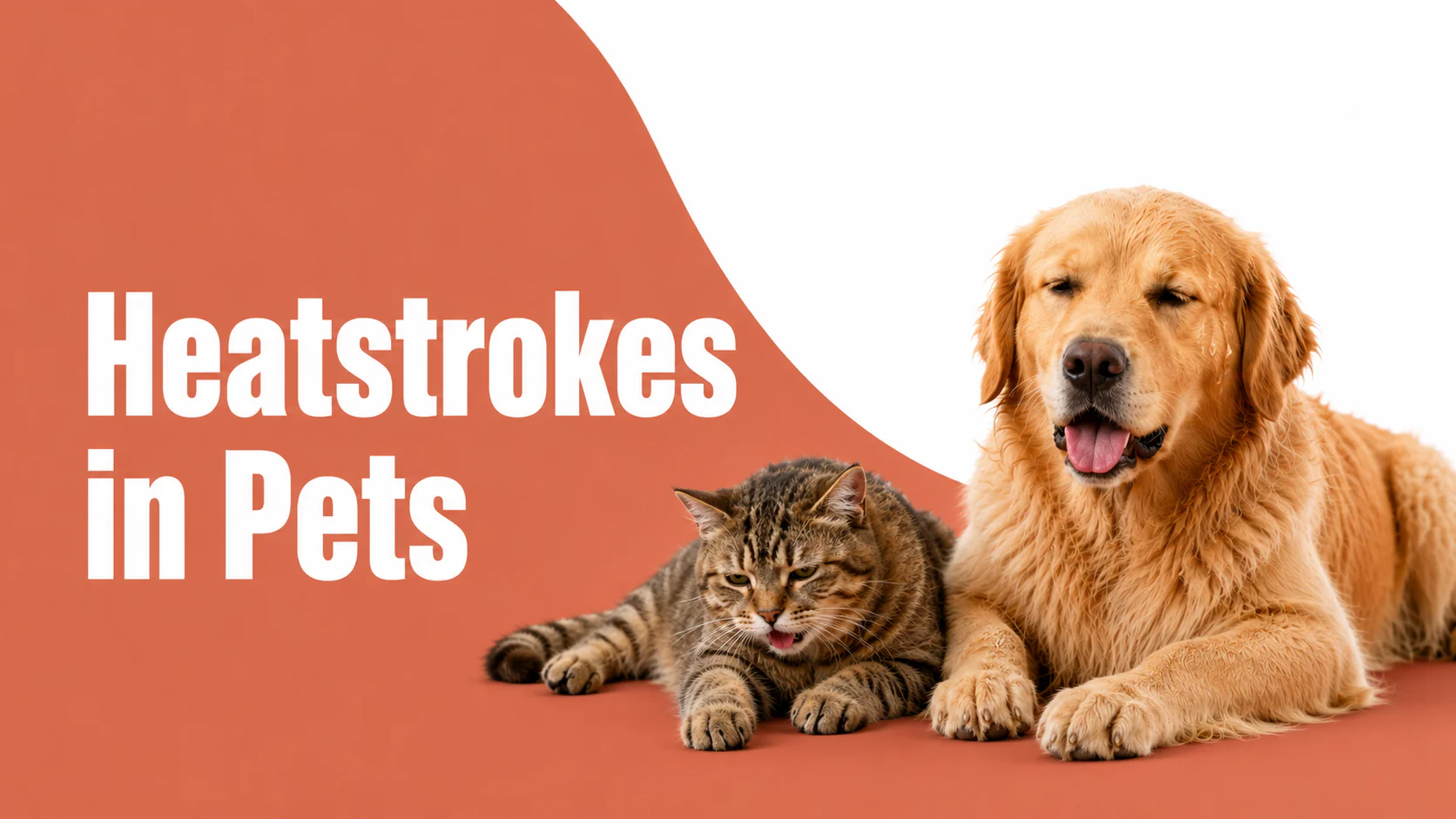
Heatstroke in Pets: How to Spot It, What to Do, and When to Rush to the Vet
There are emergencies you can see coming, and there are emergencies that catch you completely off guard. Heatstroke in pets is almost always the second kind. During the scorching summer months in Sectors 47 and 49, gurugram, rising temperatures can put both dogs and cats at serious risk, making it essential for every pet parent to know the warning signs.
One moment your dog is happily trotting alongside you on a morning walk. Your cat is lounging near the window as usual. Everything looks normal. And then, within minutes, something shifts, and if you don't know what you're looking at, precious time slips away.
Heatstroke is one of the most time-sensitive medical emergencies a pet can experience. It can go from "something seems off" to life-threatening organ failure in under an hour. The difference between a full recovery and a devastating outcome often comes down to one thing: how quickly you recognize it and act.
Let's understand how to identify heatstroke in pets, what to do, and what not to do.
Signs Your Pet May Be Developing Heatstroke
Early recognition is everything. The signs of heatstroke often progress in stages. Catching it early gives you the best chance of a safe outcome.
Early Warning Signs: Act Now
Excessive, heavy panting (more intense than usual)
Thick, excessive drooling
Bright red gums or tongue
Restlessness or agitation
Seeking out cool tiles or flat surfaces urgently
Rapid breathing that doesn't slow down with rest
Weakness in the legs or reluctance to move
Progressing Heatstroke: This Is an Emergency
Vomiting or diarrhea (sometimes with blood)
Glazed or unfocused eyes
Muscle tremors or twitching
Stumbling, loss of coordination, or disorientation
Pale or grey gums (a sign of shock)
Excessive lethargy, your pet can barely lift their head
Severe Heatstroke: Rush to the Vet Immediately
Collapse or inability to stand
Loss of consciousness
Seizures
Body temperature above 41°C (feel for intense heat radiating from the body. Do not rely on touch alone. Use a rectal thermometer if available.)
No response to your voice or touch
This cannot be stressed enough. If your pet has reached the severe stage, do not spend time on home cooling measures. Call your vet, pick up your pet, and go.
What to Do While You Get to the Vet
If you suspect heatstroke, even mild heatstroke, your first call should be to your vet or an emergency animal clinic. Let them know you're coming and describe the symptoms. They can guide you on what to do en route and prepare for your arrival.
While you arrange transport, here is how to begin cooling your pet safely:
Move them immediately. Get your pet out of the heat and into a cool, shaded, or air-conditioned space right away. Every minute in the heat makes the situation worse.
Use cool water, not cold or ice. Applying ice-cold water or ice packs causes the blood vessels near the skin to constrict, which actually traps heat inside the body. Use cool (room temperature) water instead. Wet a cloth and apply it to the neck, armpits, groin, and paw pads, areas where blood vessels sit close to the surface.
Let airflow help. Place your pet near a fan if one is available. The combination of cool water and moving air accelerates the cooling process significantly.
Offer small amounts of cool water to drink, but only if your pet is conscious and able to swallow on their own. Do not force water into an unconscious or semi-conscious animal.
Do not cover your pet with wet towels. It seems intuitive, but covering the body traps heat rather than releasing it. Apply wet cloths to specific areas and leave the rest of the body uncovered.
Monitor their breathing and responsiveness throughout, and keep talking to them calmly. Continue cooling measures in the car on the way to the vet.
Pro Tip: Keep a small spray bottle filled with cool water in your car during summer. It's one of the most useful first-response tools you can have on hand for a pet overheating emergency.
What NOT to Do
A few common mistakes can make heatstroke worse, even when they're done with the best intentions.
Do not use ice or freezing cold water. As explained above, it causes vasoconstriction and can worsen internal overheating. Cool, not cold. Carry water bottles for your pet as you rush to the vet. Offer in small amounts or sips.
Do not give human medications like paracetamol or ibuprofen in an attempt to lower body temperature. These are toxic to pets and can cause serious additional harm.
Do not wait to see if they improve on their own. Heatstroke is not something to take a "let's watch and see" approach with. Even if your pet seems to rally after initial cooling, internal damage may have occurred that requires veterinary assessment, including blood tests to check kidney and liver function. Remember, your pet can't communicate with you verbally. Temporary relief does not equal cure.
Do not leave them unattended once you've identified heatstroke symptoms. Their condition can change rapidly.
When to Rush to the Vet: A Clear-Cut Answer
If there is any doubt at all, go. Don't wait for a second opinion from friends, don't spend time searching for home remedies, and don't convince yourself it's probably fine.
Rush to the vet if your pet has any of these symptoms:
Body temperature above 40°C
Vomiting, diarrhea, or blood in either
Disorientation, stumbling, or unresponsiveness
Collapse or seizures
Pale, grey, or blue-tinged gums
Rapid breathing that has not improved after 10 minutes in a cool environment
A brachycephalic (flat-faced) breed showing any signs of distress in the heat
The vets at Zigly are available to guide you in real time if you're unsure about what you're seeing. A quick call can give you the clarity you need to act fast and act right.
With the important step out of the way, let's understand the nuances of heatstroke.
What Is Heatstroke, Exactly?
Heatstroke, also called hyperthermia, occurs when a pet's body temperature rises to a level that their natural cooling mechanisms can no longer manage. For dogs and cats, a normal body temperature sits between 38°C and 39.2°C. When that number climbs above 40°C, the body begins to struggle. Above 41°C, organ damage starts. Above 42°C, the situation becomes critical.
Here's why pets are so vulnerable compared to humans. They have very limited ways to cool themselves down. Dogs rely almost entirely on panting and, to a small extent, sweating through their paw pads. Cats manage through grooming and seeking out cool surfaces. Neither mechanism is particularly efficient when the environment is hot, humid, and poorly ventilated, which describes a significant portion of Indian summers.
The result is that pets can overheat faster than you expect, and often in situations that don't seem obviously dangerous.
Common Causes of Heatstroke in Pets
Understanding what causes heatstroke in pets is just as important as recognizing the symptoms. Some situations are obvious risks, while others catch pet parents by surprise.
Being left in a parked car, even briefly, even with windows cracked. On a 40°C day, the interior of a parked car can exceed 60°C within ten minutes. This is one of the leading causes of heatstroke deaths in pets, and it is entirely preventable.
Walking during peak heat hours. Pavements between 10 AM and 6 PM in Indian summer retain heat that can burn paw pads and rapidly raise body temperature. Even in late hours, pet parents should consider pet boots.
Being in a poorly ventilated space, such as a terrace, balcony with no shade, room with no airflow, or outdoor kennel without cooling.
Excessive exercise in the heat.
Breed vulnerabilities. Brachycephalic breeds like Pugs, Bulldogs, Boxers, Shih Tzus, and Persian cats are at significantly higher risk.
Age and health factors. Puppies, senior pets, overweight animals, and pets with existing heart or respiratory conditions are all more susceptible to heatstroke.
After the Emergency: Recovery and What to Expect
Pets who receive prompt treatment for heatstroke often recover well, but the days that follow require careful monitoring. Your vet may recommend:
IV fluids to rehydrate and support organ function
Blood tests to assess kidney, liver, and clotting function
Monitoring for delayed complications, including brain swelling and internal bleeding, which can emerge 24 to 72 hours after the initial incident
A period of restricted activity while the body recovers
At home, keep your pet in a cool, calm environment. Offer water frequently but in small amounts. Avoid any strenuous activity or outdoor time during peak heat hours for at least a week after a heatstroke episode. Their body's ability to regulate temperature may remain compromised for some time.
Prevention: The Best Response to Heatstroke Is Making Sure It Never Happens
Once you've seen heatstroke, or come close to it, you'll never want to again. The truth is, it is almost always preventable.
Shift walks to before 7 AM and after 8 PM
Never leave your pet in a parked car, not even for five minutes
Keep fresh water available at all times, in multiple spots
Create cool, shaded resting areas at home
Know your breed's specific vulnerabilities
Check on your pet regularly during the hottest parts of the day
Quick Reference: Heatstroke at a Glance
Safe Cooling Reminders
✅ Cool water on neck, armpits, groin, and paw pads
✅ Fan or airflow alongside wet cloth
✅ Small sips of cool water if conscious
❌ No ice or ice-cold water
❌ No covering with wet towels
❌ No human medications
Conclusion
Your pet cannot tell you they're overheating. They cannot ask you to slow down on a walk, move them out of the sun, or take them to the vet. That responsibility belongs entirely to you, and now you're equipped to carry it.
If you're looking for expert pet healthcare in Sectors 47 and 49, gurugram, the veterinary team at Zigly is here to help. Whether you need emergency guidance, preventive summer care, or a health check for your furry companion, visit your nearest Zigly Pet Care Centre or book a vet consultation today.
Stay alert, stay prepared, and don't hesitate to act. When it comes to heatstroke in pets, acting fast can save a life.