














 ₹https://stores.zigly.com/locations/-in-gurugram/-in-dlf-phase-5/zigly-pet-care-vet-clinic-pet-grooming-pet-products-in-dlf-phase-5-gurugram--2upVRH/articles/what-to-feed-your-pet-in-summer-in-dlf-phase-5-gurugram-a-vet-approved-diet-guide--4178d77d-ea1d-4133-9099-9a2377b7f10f
Zigly Pet Care - Vet Clinic, Pet Grooming & Pet Products, DLF Phase 5, gurugram
Vet Clinic, Pet Grooming & Pet Products Shop in DLF Phase 5, Gurugram, Haryana
Shop No GE 09, Ground Floor, DLF Summit Plaza, Sector 54, DLF Phase 5, gurugram, haryana - 122011
Book an Appointment
Zigly Pet Care - Vet Clinic, Pet Grooming & Pet Products Social Feeds in DLF Phase 5, gurugram
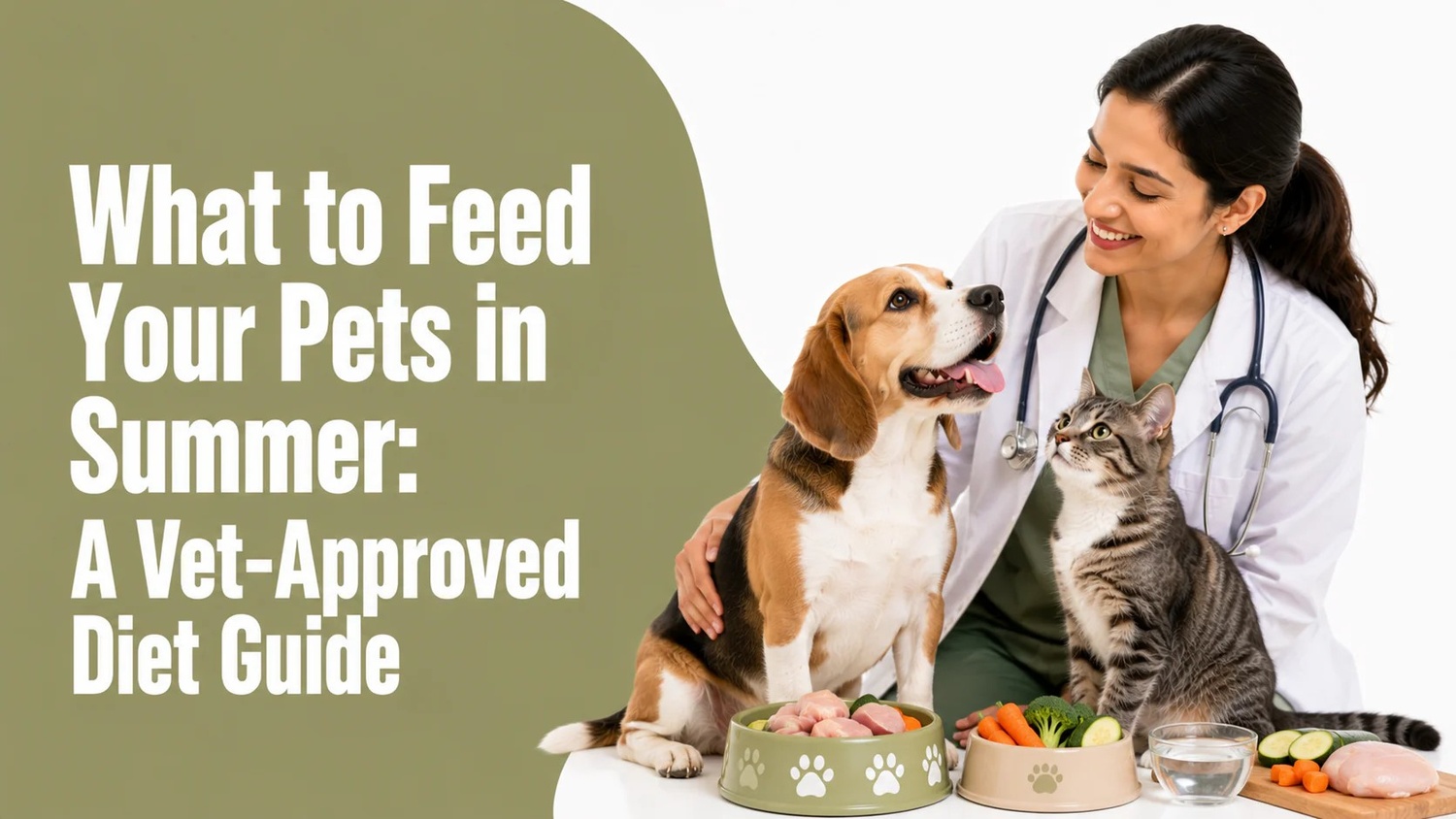
What to Feed Your Pet in Summer in DLF Phase 5, gurugram: A Vet-Approved Diet Guide
Introduction
Summer in India hits hard, and it doesn't just affect us humans. Your dog or cat feels the heat too, often more intensely. As temperatures soar past 40°C in cities like Delhi, Mumbai, and Hyderabad, your pet's nutritional needs shift in ways most pet parents don't realize until something goes wrong.
For pet parents in DLF Phase 5, gurugram, making small seasonal adjustments to your pet's diet can go a long way in preventing dehydration, heat stress, and digestive issues. This vet-approved summer feeding guide covers everything you need to know about what to add, what to cut back on, and how to keep your furry family member thriving through the hottest months.
Why Summer Changes Your Pet's Dietary Needs
Pets regulate body temperature differently from humans. Dogs pant, while cats groom themselves more frequently. Both lose more fluid and burn energy differently in extreme heat.
This means:
Hydration becomes critical. Even mild dehydration can cause lethargy, kidney stress, and heatstroke.
Appetite may drop. Just like us, pets often eat less in summer, and forcing large meals can backfire.
Digestion slows. Heavy, rich foods are harder to process during hot weather.
Electrolyte balance shifts. This is especially important for active or outdoor pets.
Adjusting your pet's diet seasonally isn't a luxury. It's preventive care.
Summer Feeding Guidelines for Dogs
1. Prioritize Hydration Above All Else
Fresh water should be available at all times, not just once in the morning. Place multiple water bowls around the house.
For dogs who are reluctant drinkers, add a splash of unsalted chicken broth to make the water more appealing.
Wet food is your friend. If your dog is on dry kibble, consider mixing in wet food during summer. The moisture content helps supplement daily water intake significantly.
2. Feed Smaller, More Frequent Meals
Large meals generate more metabolic heat during digestion.
During summer, splitting your dog's daily food into two to three smaller portions reduces digestive stress and makes meals easier to process.
3. Safe Summer Foods to Add to the Bowl
These foods can be offered as meal toppers, treats, or healthy mix-ins.
Cucumber: Low in calories and high in water content.
Watermelon (seedless and rind removed): Hydrating and naturally rich in lycopene.
Coconut water (unsweetened and in moderation): Provides a natural electrolyte boost.
Curd or plain yogurt: Rich in probiotics and naturally cooling. Works well as a topper for kibble.
Boiled chicken with light broth: Easy to digest, protein-rich, and hydrating.
4. Foods to Avoid During Summer
Some foods become especially risky during hot weather.
Fatty meats and fried treats: Harder to digest and may trigger pancreatitis.
Grapes, raisins, onions, and garlic: Toxic throughout the year, but dehydration can worsen their effects.
Salty packaged snacks: Increase thirst and disturb electrolyte balance.
Leftover cooked food left outside: Food spoils much faster during summer. Never leave meals out for more than 30 minutes.
5. Frozen Treats Make Great Summer Snacks
Freeze plain yogurt with small banana pieces in an ice tray or blend watermelon into silicone moulds.
These homemade frozen treats help cool your dog while offering a refreshing and healthy snack.
Summer Feeding Guidelines for Cats
Cats are naturally poor drinkers, making summer especially challenging. Hot weather increases the risk of urinary tract problems and kidney stress, making proper nutrition even more important.
1. Switch Towards Wet Food
If your cat mainly eats dry food, summer is an excellent time to introduce wet food.
Even one wet meal each day can significantly improve hydration.
Choose high-protein wet food with real meat as the primary ingredient whenever possible.
2. Never Leave Food Out
Wet food spoils quickly during hot weather.
If your cat hasn't finished eating within 30 minutes, remove the food to reduce the risk of food poisoning and digestive upset.
3. Safe Summer Foods for Cats
Cats can safely enjoy:
Plain boiled chicken or fish served with the cooking liquid
Cat-safe broth with no onion, garlic, or added salt
Small amounts of plain yogurt if tolerated
4. Watch for the Summer Slump
Cats commonly eat less during extreme heat.
Skipping one meal occasionally is usually not a concern.
However, if your cat refuses food for more than 24 hours, seek veterinary attention immediately. Cats can develop hepatic lipidosis (fatty liver disease) surprisingly quickly when they stop eating.
Red Flags to Watch During Summer
Regardless of species, monitor your pet for these warning signs.
Excessive panting or unusual lethargy in dogs
Dry or sticky gums, a major sign of dehydration
Vomiting or diarrhoea after meals
Loss of appetite lasting longer than one day
Pale or yellow gums, which require immediate veterinary care
If you notice any of these symptoms, don't wait. Heat-related illnesses can worsen rapidly.
When Home Adjustments Aren't Enough
Sometimes changing your pet's diet isn't enough.
Senior pets, pets with kidney disease, diabetes, or breeds prone to heatstroke such as Pugs, Bulldogs, and Persian cats often require personalised nutritional guidance.
This is where Zigly Vetcare can help.
Zigly's experienced veterinary team can:
Conduct a comprehensive summer health check.
Review your pet's current diet.
Recommend personalised nutrition based on age, breed, weight, and medical history.
Adjust prescription diets where necessary.
Monitor kidney health before peak summer temperatures.
A simple 30-minute consultation can prevent many common summer health problems.
Quick Summer Diet Cheat Sheet
What to Do
Increase water availability throughout the home.
Add wet food or moisture-rich meal toppers.
Feed smaller, more frequent meals.
Offer healthy frozen treats such as yogurt or watermelon.
Store pet food in airtight containers.
What to Avoid
Leaving wet food out for extended periods.
Heavy, fatty, or fried foods.
Salty packaged treats.
Food exposed to direct sunlight or heat.
Grapes, raisins, onions, and garlic.
Conclusion
Summer pet care is just as much about nutrition as it is about keeping your pet cool.
For pet parents in DLF Phase 5, gurugram, simple dietary adjustments such as increasing moisture intake, serving lighter meals, adding safe seasonal foods, and monitoring hydration can make a significant difference to your pet's health throughout the hottest months.
Whenever you're unsure about your pet's nutritional needs, consult a veterinarian. Your pet cannot tell you when something feels wrong, and preventive care is always the best approach.
Book a summer health check with Zigly Vetcare to receive personalised dietary guidance for your furry companion. You can also book an appointment online or visit your nearest Zigly Pet Care Centre to help your pet stay happy, healthy, and hydrated all summer long.