















 INRhttps://stores.zigly.com/locations/-in-ahmedabad/-in-sindhu-bhavan-road/zigly-pet-care-vet-clinic-pet-grooming-pet-products-in-sindhu-bhavan-road-ahmedabad--6sm2Hu/articles/top-behaviour-issues-in-pets-how-to-solve-them--01d71bfe-0fed-432a-a4a4-eccb828c06aa
Zigly Pet Care - Vet Clinic, Pet Grooming & Pet Products, Sindhu Bhavan Road, ahmedabad
Pet Shop in Sindhu Bhavan Road, Ahmedabad, Gujarat
Shop No 05, Ground Floor, Shilp Epitome Rajpath Rangoli Road, Opposite Nayara Petrol Pump, Sindhu Bhavan Road, ahmedabad, gujarat - 380054
Book an Appointment
Zigly Pet Care - Vet Clinic, Pet Grooming & Pet Products Social Feeds in Sindhu Bhavan Road, ahmedabad
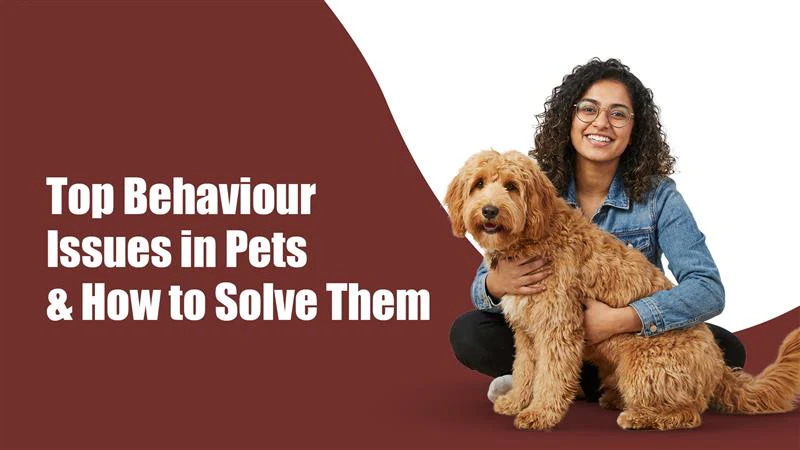
Top Behaviour Issues in Pets & How to Solve Them
A Practical, Vet-Backed Guide for Indian Pet Parents
For pet parents in Sindhu Bhavan Road, ahmedabad, bringing a dog or cat home is often the beginning of a deeply emotional journey filled with joy, companionship, and unconditional love. But as many families soon discover, love alone doesn’t solve everything. Behaviour issues in pets are extremely common and are one of the leading causes of stress, confusion, and guilt among Indian pet parents.
The important thing to understand is this: most behaviour problems are not signs of a “difficult” pet. They are signals. Pets use behaviour to communicate fear, boredom, anxiety, discomfort, or unmet needs. When understood early and addressed correctly, most behaviour issues can be resolved compassionately and effectively.
This guide breaks down the most common behaviour issues in dogs and cats, why they happen, and most importantly, how Indian pet parents can manage them with empathy and professional guidance.
Why Do Pets Develop Behaviour Problems?
Before addressing any issue, it’s important to understand the root cause. Behaviour problems usually stem from:
- Lack of mental or physical stimulation
- Improper socialisation during early life
- Fear, anxiety, or past trauma
- Medical issues or pain
- Inconsistent training or unclear boundaries
- Sudden changes in routine, environment, or family structure
- Correcting behaviour starts with understanding the “why”, not punishment.
1. Excessive Barking or Meowing
Why it happens:
How to solve it:
- Identify triggers (doorbells, strangers, loneliness, hunger)
- Increase physical activity and mental enrichment
- Ignore attention-seeking vocalisation but reward calm behaviour
- Avoid yelling, it reinforces anxiety
- Consult a vet if vocalisation is sudden or excessive
2. Aggression Towards People or Other Pets
Why it happens:
How to solve it:
3. Destructive Chewing or Scratching
Why it happens:
How to solve it:
- Provide breed-appropriate chew toys and scratch posts
- Rotate toys to maintain novelty
- Increase exercise and interactive play
- Puppy-proof your home
- Address anxiety rather than just hiding objects
- Destruction is usually a sign of pent-up energy or stress.
4. Separation Anxiety
Why it happens:
Signs to watch for:
How to solve it:
5. House Soiling or Litter Box Issues
Why it happens:
How to solve it:
6. Jumping on People
Why it happens:
How to solve it:
7. Fearfulness and Phobias
Common triggers:
How to solve it:
When to Seek Professional Help
- You should consult a vet or behaviour expert if:
- Behaviour changes suddenly
- Aggression escalates
- Anxiety interferes with daily life
- Training efforts show no improvement
- Your pet seems withdrawn or distressed
- Many behaviour issues are linked to underlying medical conditions, which only a vet can diagnose.
The Role of Preventive Vet Care in Behaviour
Regular health check-ups, proper nutrition, timely vaccinations, and mental enrichment play a huge role in preventing behaviour issues. Pain, nutritional deficiencies, and hormonal imbalances often manifest as behavioural problems.
This is why an integrated approach combining training, vet care, and lifestyle management works best.
Conclusion
For pet parents in Sindhu Bhavan Road, ahmedabad, behaviour issues don’t have to be overwhelming or isolating. When pets are understood with empathy and supported through structured routines, medical care, and professional guidance, they become calmer, more confident, and emotionally balanced companions.
Behavioural wellness is closely linked to physical health, grooming comfort, and preventive care. That’s why many families choose Zigly Pet Care for its integrated ecosystem covering vet consultations, behaviour guidance, grooming, nutrition, and preventive health support. Because truly happy behaviour begins with healthy, compassionate care.
Frequently Asked Questions (FAQs)
1. Are behaviour issues in pets a sign of poor training or poor health?
Not always. Many behaviour issues stem from underlying health concerns such as pain, digestive discomfort, hormonal imbalance, or anxiety. Vets often recommend ruling out medical causes before focusing solely on training.
2. When should I take my pet to a vet for behaviour problems?
If behaviour changes are sudden, aggressive, or persistent—or interfere with daily life—a vet consultation is essential to determine whether the cause is medical, behavioural, or both.
3. Can grooming and routine care affect pet behaviour?
Yes. Skin irritation, long nails, ear infections, or coat discomfort can make pets irritable. Regular grooming improves comfort and helps pets stay calmer and more confident.
4. How does preventive healthcare reduce behaviour issues?
Preventive care such as vaccinations, parasite control, routine check-ups, and balanced nutrition keeps pets physically comfortable, reducing stress-driven behavioural problems.
5. Can Zigly support both behaviour guidance and overall pet care?
Yes. Zigly’s integrated petcare approach combines veterinary care, grooming, nutrition advice, and trusted products to support both behavioural and overall wellbeing.