















 ₹https://stores.zigly.com/locations/surat/althan/zigly-pet-care-pet-clinic-pet-grooming-pet-products-in-althan-surat--42qAXq/articles/why-does-my-puppy-suddenly-ignore-me-understanding--67a13087-4cae-492e-b42e-c9246c4fb54d
Zigly Pet Care - Pet Clinic, Pet Grooming & Pet Products, Althan, surat
Vet Clinic, Pet Grooming & Pet Products Shop in Althan, Surat, Gujarat
Oberon Business Complex, New Tirumala, Shivam Society, New City Light Road, Althan, surat, gujarat - 395007
Book an Appointment
Zigly Pet Care - Pet Clinic, Pet Grooming & Pet Products Social Feeds in Althan, surat
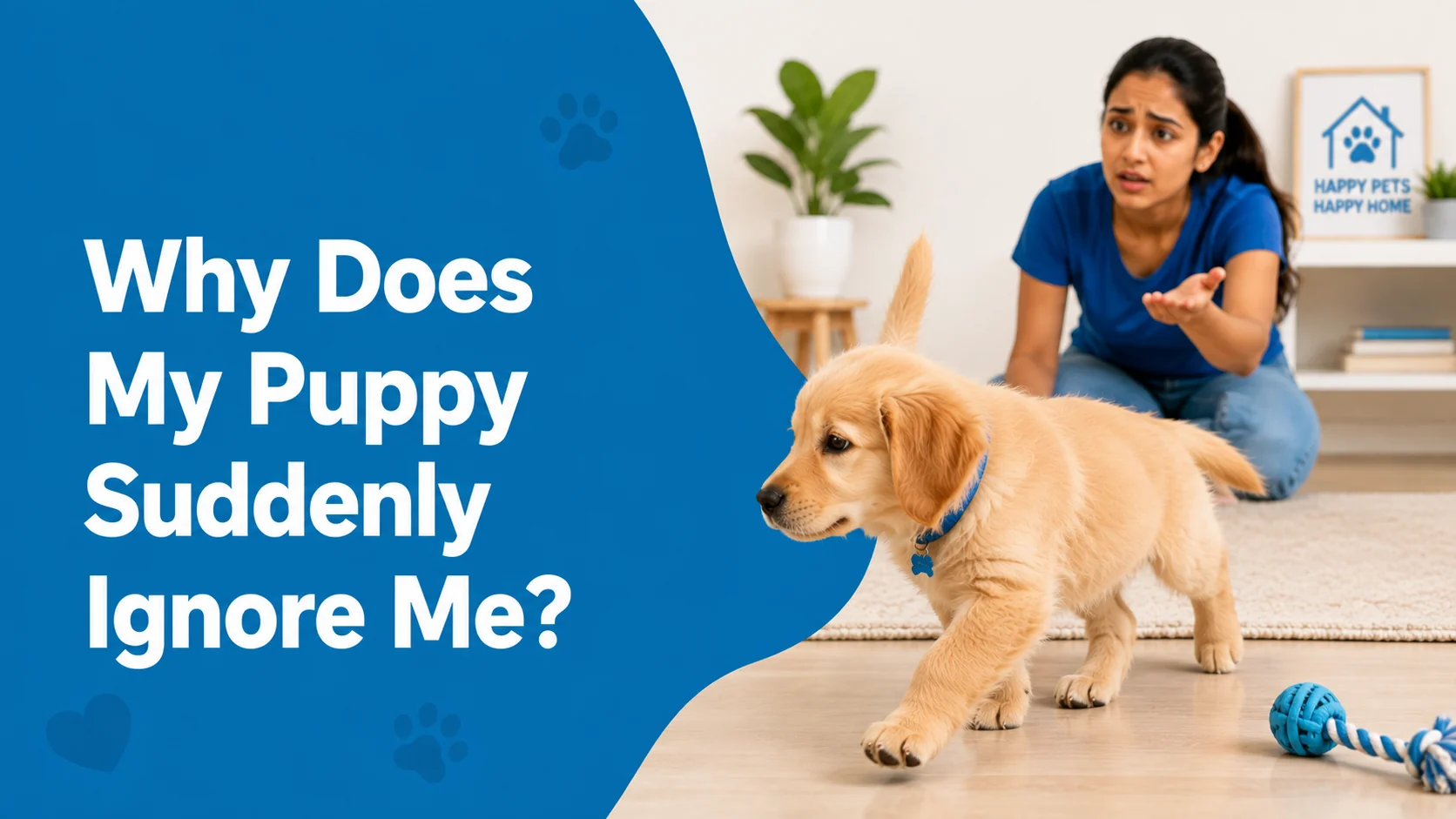
Why Does My Puppy Suddenly Ignore Me? Understanding Fear Periods & Behaviour Changes
Last week your puppy came running the second you picked up their leash. This week, they flinched at the sound of the gate latch and wouldn’t come near you for a full minute. You called their name twice in the park and got nothing back, just a puppy frozen mid-step, staring at a scooter that’s driven past a hundred times before without incident. You’re left wondering if you did something wrong, or worse, if this is just who they are now.
It probably isn’t. What you’re likely seeing is a puppy fear period, and it’s one of the more misunderstood stretches of puppy development, mostly because it doesn’t announce itself. It just shows up as a puppy who was confident yesterday and cautious today. For pet parents in Althan, surat, understanding these puppy behaviour changes can help you respond calmly and know when additional support may be needed.
What a Fear Period Actually Is
Puppies go through two predictable windows of heightened sensitivity, roughly between 8–11 weeks and again around 6–14 months (the second one varies more by breed and individual). During these stretches, things your puppy previously found neutral or even exciting can suddenly seem threatening. A vacuum cleaner they walked past a dozen times becomes terrifying. A friendly neighbour gets a suspicious bark instead of a tail wag. You, standing in the kitchen, get watched from a distance instead of greeted at the door.
This isn’t regression and it isn’t a training failure. It’s neurological, your puppy’s brain is laying down long-term associations faster than usual right now, which means a single bad experience during this window can stick in a way it wouldn’t a month earlier or later. Nature’s logic here is actually protective: this is the age range where wild canine pups would be learning what’s genuinely dangerous, fast.
What This Looks Like Day to Day
Sudden wariness of objects, sounds, or people that were fine before
Hesitating or refusing to approach something they’d normally investigate
A slower, more cautious response to being called
Occasional flinching at ordinary household sounds
Clinginess in some puppies, distance in others, both are normal versions of the same thing
The specific mix looks different for every puppy. Some get jumpy. Some just seem to check out for a bit, watching more than engaging. If your puppy suddenly seems less responsive to you specifically, it’s rarely about you, it’s more that their whole threat-assessment system is running a little hot right now, and everything, including your voice, is getting re-evaluated.
What Actually Helps (and What Makes It Worse)
The instinct to comfort intensely or force exposure both tend to backfire here. Over-comforting can accidentally reinforce the idea that there was something to be scared of. Forcing your puppy toward whatever spooked them can cement the fear rather than resolve it.
What works better is staying calm and neutral, genuinely neutral, not performed-calm, and letting your puppy approach things at their own pace. If they startle at the broom, don’t make a fuss either way. Let them sniff it in their own time or just move on. Consistency matters more than intensity during this window: same routine, same calm tone, same predictable environment, as much as you can manage.
Worth flagging: a single scary event during a fear period can create a lasting association, so this is a good stretch to skip anything genuinely overwhelming, the loud, crowded market, the vet visit that isn’t urgent, the overenthusiastic stranger who wants to scoop your puppy up. None of that is off-limits forever. It’s just better timed a few weeks either side of this window.
When It’s More Than a Fear Period
Fear periods are temporary, typically a few weeks, sometimes stretching to a month or so. If the wariness is escalating rather than easing, if your puppy is showing signs of pain alongside the behaviour change, or if the fear seems to be generalising to almost everything rather than specific triggers, that’s worth a proper look rather than waiting it out. Occasionally what looks like fear-period behaviour is actually discomfort, an ear infection, dental pain from teething, or something else physical making your puppy more guarded than usual.
The Bigger Picture
It’s easy to read a suddenly distant puppy as something going wrong with the bond you’ve built. It’s usually the opposite, this is your puppy’s brain doing exactly what it’s supposed to do at this age, filing away what’s safe and what isn’t, with you as the steady point they keep checking back against. Give it a few weeks of patience and predictability, and the confident, curious puppy underneath tends to come right back.
If the wariness feels like it’s lasting longer than a few weeks or getting worse instead of better, a quick check-in with Zigly Vet Care can rule out anything physical before you assume it’s “just a phase.”
For pet parents in Althan, surat, giving your puppy time, patience, and a predictable environment can make a puppy fear period much easier to navigate. Try not to take the cold shoulder personally. In a few weeks, that same puppy will probably be barreling toward you at the door again like nothing happened.
FAQ
How long does a puppy fear period last?
Typically, two to four weeks, though it varies by puppy. If the wariness persists well beyond a month or keeps intensifying, it’s worth a vet visit to rule out other causes.
Should I comfort my puppy when they’re scared during a fear period?
A calm, neutral presence works better than intense comforting or forced exposure. Let your puppy set the pace and avoid making a big deal of their reaction either way.
Can a fear period happen more than once?
Yes. Most puppies go through two, one around 8–11 weeks and another later, roughly 6–14 months, though timing varies by breed and individual.
How do I know if it’s a fear period or something medical?
Fear periods are usually specific to certain triggers and ease within a few weeks. If the behaviour change is constant, worsening, or paired with signs of pain or illness, get it checked rather than waiting it out.