














 ₹https://stores.zigly.com/locations/surat/althan/zigly-pet-care-pet-clinic-pet-grooming-pet-products-in-althan-surat--42qAXq/articles/when-do-puppies-stop-teething-what-to-expect-month--10ff2989-2a50-4a55-a0d0-0016334fdc00
Zigly Pet Care - Pet Clinic, Pet Grooming & Pet Products, Althan, surat
Vet Clinic, Pet Grooming & Pet Products Shop in Althan, Surat, Gujarat
Oberon Business Complex, New Tirumala, Shivam Society, New City Light Road, Althan, surat, gujarat - 395007
Book an Appointment
Zigly Pet Care - Pet Clinic, Pet Grooming & Pet Products Social Feeds in Althan, surat
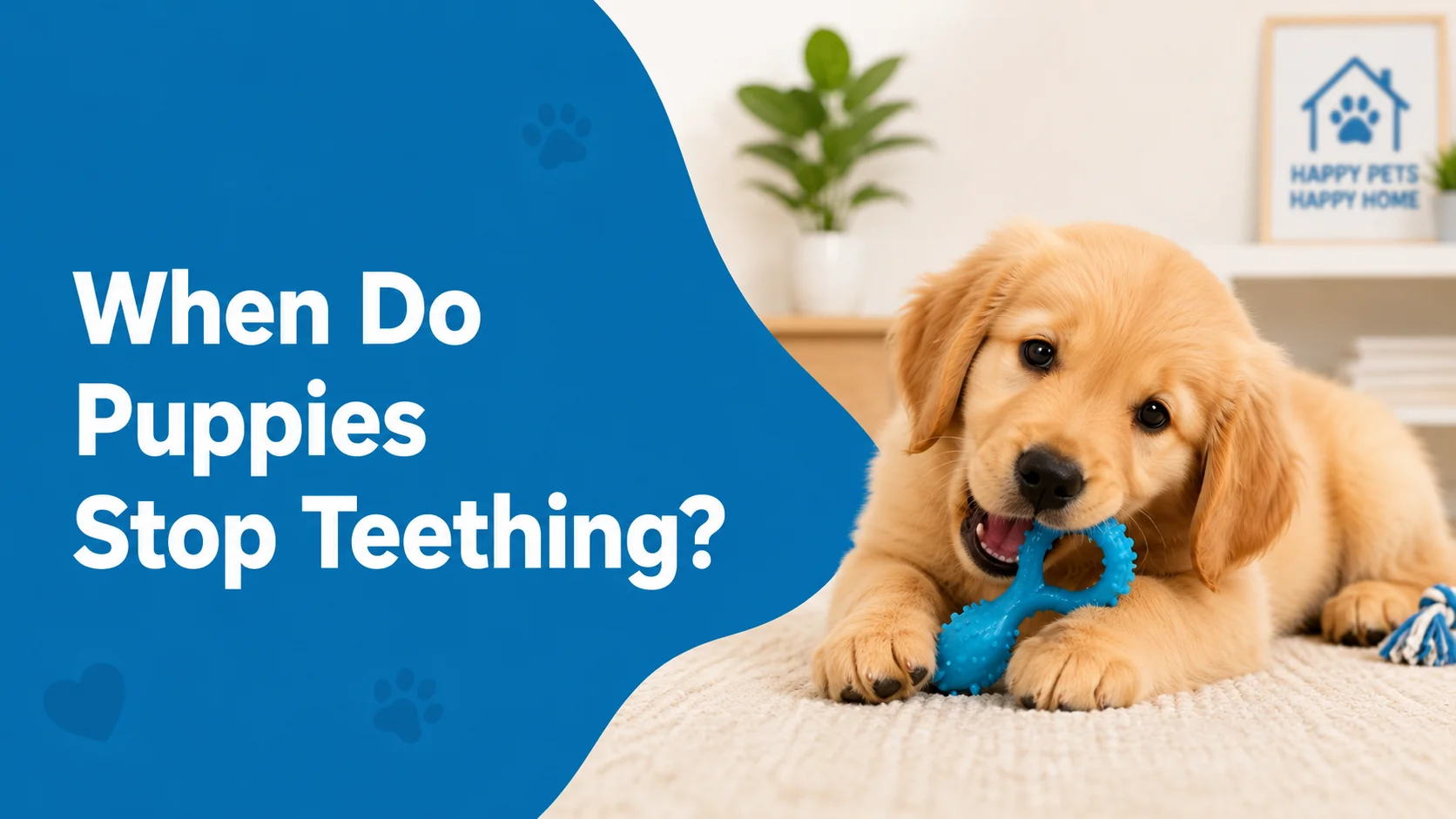
When Do Puppies Stop Teething? What to Expect Month by Month
You find a tiny white tooth on the living room rug and just stare at it for a second, not sure if you should be worried or relieved. Then you notice your favourite chappal has a new hole in it, your puppy’s breath smells faintly metallic, and they’ve suddenly decided your hand is the most fascinating chew toy in the house. If this is where you are right now, somewhere between “is this normal” and “will this ever end”, you’re not doing anything wrong. You’re just in the middle of puppy teething. And it helps enormously to know roughly where you are in that timeline.
Teething isn’t a phase you push through blindly. It’s predictable, it happens in stages, and once you know what’s coming, you stop reacting to every chewed cushion and start anticipating it instead. For pet parents in Althan, surat, understanding the puppy teething timeline can make this stage easier to manage and help you recognise when a veterinary check may be needed.
The Puppy Teething Timeline, Month by Month
2 to 4 Weeks: Baby Teeth Begin Arriving
Most puppies come home to you already past this stage, but it’s worth knowing. Somewhere between two and four weeks old, a puppy’s first set of teeth, the deciduous or “milk” teeth, start pushing through the gums. By six to eight weeks, all 28 baby teeth are usually in place. This is happening well before you typically bring a puppy home, so you likely won’t witness it directly. What you will see is a puppy who’s already exploring the world mouth-first.
3 to 6 Months: The Losing-Teeth Stage Begins
This is where most pet parents start noticing something’s up. Somewhere around twelve weeks, those baby teeth begin loosening and falling out, making room for the 42 adult teeth coming in underneath. You might find a tooth on the floor. You might not. A lot of puppies simply swallow them while eating, and that’s completely fine.
What you will notice, reliably, is the chewing. It ramps up hard during this window because the gums are sore and chewing genuinely relieves the pressure, the way a teething baby gnaws on a cold spoon. Your puppy isn’t being naughty. They’re self-soothing with the only tools available to them, their mouth and whatever’s within reach of it.
Worth watching for during this stretch: mild drooling, a little blood on chew toys, usually nothing to worry about, reluctance to eat hard kibble, and occasional low-grade crankiness. If you gently lift the lip and see a mix of tiny sharp baby teeth alongside slightly larger, duller adult teeth coming in behind them, that’s exactly what should be happening.
6 to 7 Months: Adult Teeth Settle In
By around six months, most puppies have their full set of 42 adult teeth. The heavy destructive chewing usually starts easing off here, though “easing off” is relative, and some breeds, especially high-energy or mouthier ones like Labradors and German Shepherds, keep the chewing habit going a while longer simply because it’s become a comfort behaviour, not a biological need.
After 7 Months: A Good Time to Check In
Once your puppy is past seven months and still has visible baby teeth, or you’re spotting anything that looks off, a tooth that hasn’t fallen out on schedule, gums that seem inflamed rather than just pink, or persistent bad breath, it’s worth a quick vet check. Retained baby teeth are more common than people realise, and they’re easy to miss because everything else looks normal. Left alone, they can crowd the adult teeth and set up problems for years down the line. Caught early, it’s usually a simple, low-stress fix.
The Nuance Here: Teething and Behaviour Are Tangled Together
The tricky part about this stage is that the chewing isn’t purely physical. Around the same months your puppy is losing teeth, they’re also going through a huge amount of exploratory and emotional development, learning what’s safe to put in their mouth, testing boundaries, working through the same kind of restlessness you’d see in a toddler. So when the chewing seems to intensify right when you thought it was calming down, that’s not a step backward. It’s usually two things happening at once, not one thing getting worse.
This is also why redirection during puppy teething works so much better than correction. A frozen, damp washcloth or a rubber chew toy suited for teething puppies gives the gums real relief, scolding doesn’t remove the discomfort, it just adds confusion on top of it.
India-Specific Things Worth Knowing
Heat matters here more than people expect. In peak summer, sore gums combined with higher body temperature can make puppies more irritable and less interested in eating, offering slightly softened kibble or a frozen chew, not ice cubes, which are too hard on sensitive gums, can help. And if you’ve got an Indie pup or a smaller breed, note that teething can sometimes finish a touch earlier than in larger breeds, simply because of faster overall growth rates in the first year.
What This Stage Is Really Telling You
None of this needs to be managed perfectly. Puppies get through teething whether or not you handle every chewed shoe with grace. What actually matters is knowing the general shape of the puppy teething timeline, so you can tell the difference between “this is exactly on schedule” and “this is worth a second look”, instead of guessing every time something seems off.
If your puppy’s past seven months and you’re still noticing baby teeth hanging around, or something about their gums just doesn’t sit right with you, it’s worth a quick check-in with Zigly VetCare before it becomes something bigger. Nine times out of ten, it’s nothing. But that tenth time is exactly why staying ahead of it matters.
There’s a particular kind of relief in it, really, one day you reach down to check, and the tiny, sharp teeth that used to nip at your fingers have quietly been replaced by a full, steady adult smile, and you almost missed the moment it happened.
For pet parents in Althan, surat, knowing when puppies stop teething and understanding the signs to watch can make this important stage feel much less stressful. With patience, appropriate chew options, and timely veterinary care when needed, you can help your puppy move comfortably from baby teeth to their healthy adult smile.
FAQ's
At what age do puppies get all their adult teeth?
Most puppies have their complete set of 42 adult teeth by around six to seven months old. If you’re noticing baby teeth well past this age, it’s worth getting them checked, since retained baby teeth don’t usually resolve on their own.
Is it normal for my puppy to swallow their baby teeth?
Yes, completely normal. Puppies often swallow loose baby teeth while eating or chewing, and it causes no harm. You’re more likely to just notice them missing than to actually find them on the floor.
Why is my puppy chewing so much more during teething?
Chewing relieves the pressure and discomfort of new teeth pushing through sore gums, so it’s a self-soothing behaviour rather than a training issue. Giving them appropriate chew toys, rather than correcting the behaviour, usually helps far more.
When should I be worried about my puppy’s teething?
If a baby tooth hasn’t fallen out by seven to eight months, if gums look swollen or bleed persistently, or if your puppy seems to be in pain or avoiding food altogether, it’s time for a vet check rather than waiting it out.