















 ₹https://stores.zigly.com/locations/sahibzada-ajit-singh-nagar/sector-70/zigly-vet-clinic-pet-grooming-pet-products-in-sector-70-sahibzada-ajit-singh-nagar--3uimSd/articles/when-do-kittens-calm-down-in-sahibzada-ajit-singh---8abc0e5c-7bf2-47a4-af59-48779663de5d
Zigly - Vet Clinic, Pet Grooming & Pet Products, Sector 70, sahibzada ajit singh nagar
Vet Clinic, Pet Grooming & Pet Products Shop in Sector 70, Sahibzada Ajit Singh Nagar, Punjab
SCO No 526, Ground Floor, Sector 70, sahibzada ajit singh nagar, punjab - 160071
Book an Appointment
Zigly - Vet Clinic, Pet Grooming & Pet Products Social Feeds in Sector 70, sahibzada ajit singh nagar
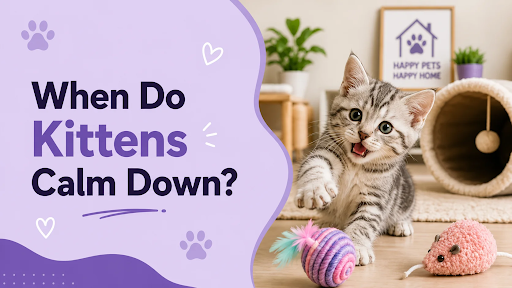
When Do Kittens Calm Down in sahibzada ajit singh nagar? Understanding Your Kitten’s Growth Milestones
It’s 2am and your kitten has decided this is the perfect time to sprint across the bedroom, launch off the dresser, and attack your feet under the blanket like they’ve personally wronged her. You lie there half-awake, half-laughing, wondering if this is just how life is now, permanently. It isn’t. But it also isn’t going to end as fast as you might be hoping.
If you are a new kitten parent in Sector 70, sahibzada ajit singh nagar, kittens are, by nature, small chaos engines for longer than most people expect. Knowing roughly when kittens calm down and how their behaviour changes as they grow can help you tell the difference between “this is exactly where they should be” and “something about this seems off.”
The General Timeline
Under 3 months: Peak chaos
Everything is new, everything moves, and your kitten’s entire job right now is to investigate, pounce, and play. This is genuinely how they learn coordination, hunting instinct, and social boundaries. The zoomies, the 2am sprints, and the sudden ambushes on your ankles are all completely normal and, frankly, developmentally important.
3 to 6 months: Still highly energetic
Still highly energetic, but you’ll usually start noticing slightly longer stretches of calm between bursts of activity. This is also typically when adult teeth are coming in, which can add its own layer of mouthy, chew-everything behaviour on top of the general energy.
6 to 12 months: More predictable energy
Energy starts becoming a bit more predictable. Your kitten will still be playful, but with real settled periods, and play sessions that look more purposeful than purely chaotic. Many kittens start sleeping through more of the night around this stage, though not universally.
12 to 18 months: Behavioural maturity
Most cats reach social and behavioural maturity somewhere in this range, even though physical growth is largely done earlier. This is usually when owners feel like they finally have “the adult cat version” of their kitten’s personality. Breed and individual temperament both play a real role in how much settling actually happens.
Why It Takes Longer Than People Expect
A lot of new kitten parents assume the chaos will taper off by six months and are surprised when it doesn’t fully settle until well into the second year. Play in kittens isn’t just entertainment. It’s how hunting instincts, coordination, and social skills develop.
Cutting it short or getting frustrated with it doesn’t speed up the process. It just means a kitten trying to meet a developmental need has less outlet than they need.
What Actually Helps in the Meantime
The nights are usually the hardest part, and there’s a genuine reason behind the 2am energy. Cats are naturally crepuscular, meaning they are most active at dawn and dusk. An under-stimulated kitten often redirects that energy into whatever’s happening in your bedroom at 2am, specifically because nothing more interesting happened during the day.
A solid, tiring play session in the couple of hours before bed, genuine hunting-style play with a wand toy rather than just a few halfhearted taps at a ball, makes a real difference for a lot of kittens.
So does making sure they’re not sleeping the entire afternoon away with nothing to do, which just banks energy for later.
The Nuance Here
Not every kitten follows this exact timeline, and that’s fine. Some breeds, Siamese and other more vocal, high-energy breeds, for instance, stay notably playful and demanding well into adulthood, while others, including a lot of Indies, settle earlier and more completely.
None of this is a problem to fix. It’s worth knowing your specific kitten’s baseline rather than comparing them to a general average.
Worth watching for, though: a kitten who seems to lose interest in play altogether, rather than simply calming down, especially if it’s sudden rather than gradual. Reduced play interest paired with reduced appetite or energy is a different pattern from normal maturing, and worth a vet visit rather than assuming they’ve just “calmed down early.”
What This Stage Is Really Asking of You
The kitten chaos phase asks a lot of patience, and it’s genuinely temporary even when it doesn’t feel that way at 2am. Most of what feels unmanageable now is your kitten doing exactly what kittens are supposed to do.
Giving that energy a proper outlet, rather than waiting it out, is usually what gets you to the calmer cat on the other side faster.
If your kitten’s energy seems to be dropping off suddenly rather than gradually settling, a quick check-in with Zigly VetCare is worth having, just to rule out anything beyond normal growing up.
For kitten parents in Sector 70, sahibzada ajit singh nagar, that midnight sprint across the bed won’t last forever. Somewhere around their first birthday, you’ll probably find yourself missing it a little.
FAQ
At what age do kittens stop being so hyper?
Most kittens show real signs of settling between 6 and 12 months, with full behavioural maturity typically reached between 12 and 18 months, though this varies by breed and individual.
Why is my kitten so active at night?
Cats are naturally most active at dawn and dusk. A kitten without enough daytime stimulation often redirects that energy into nighttime play, so a solid evening play session can help shift the pattern.
Do all kittens calm down at the same age?
No, it varies by breed and individual temperament. Some breeds stay playful well into adulthood, while others settle earlier. Knowing your specific kitten’s pattern matters more than comparing it to a general average.
Should I be worried if my kitten suddenly stops playing?
A sudden loss of interest in play, especially alongside reduced appetite or energy, is different from gradual calming down and is worth a vet visit rather than assuming it’s just maturity.