















 ₹https://stores.zigly.com/locations/pune/kalyani-nagar/zigly-pet-care-vet-clinic-pet-grooming-pet-products-in-kalyani-nagar-pune--5lLR9I/articles/summer-allergies-in-dogs-and-cats-symptoms-trigger--685d7c61-c395-4776-9e9e-6e821e93549d
Zigly Pet Care - Vet Clinic, Pet Grooming & Pet Products, Kalyani Nagar, pune
Vet Clinic, Pet Grooming & Pet Products Shop in Kalyani Nagar, Pune, Maharashtra
Shop No 5-6, Ground Floor, Fortalez Avenue, Nearby Metro Station, Kalyani Nagar, pune, maharashtra - 411006
Book an Appointment
Zigly Pet Care - Vet Clinic, Pet Grooming & Pet Products Social Feeds in Kalyani Nagar, pune
Summer Allergies in Dogs and Cats: Symptoms, Triggers & Remedies | Zigly Pet Shop in Kalyani Nagar, pune
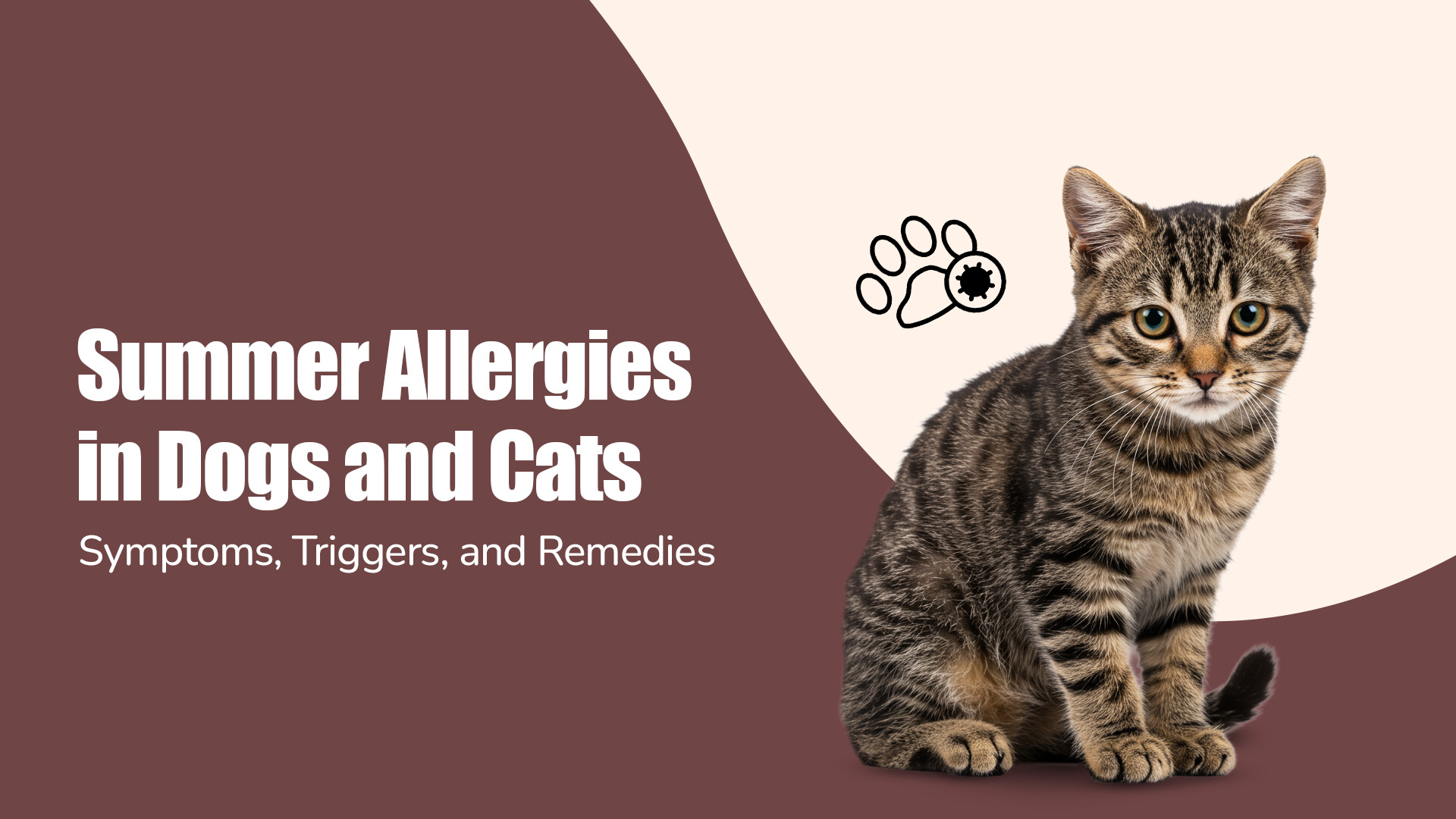
Summer Allergies in Dogs and Cats: Symptoms, Triggers, and Remedies
Introduction: A Growing Concern for Pet Parents in Summer
As temperatures rise and nature comes alive, summer brings more than just sunshine and playtime for our furry companions—it also brings a spike in allergies in dogs and cats. With increased exposure to pollen, fleas, and environmental irritants, many pets experience uncomfortable symptoms. Understanding the dog allergy symptoms in dogs and the symptoms of cat allergies is essential for timely care.
Why Pet Allergies Flare Up More in the Summer Months
In summer, allergens like pollen, dust, mold, and fleas are at their peak. Warmer weather accelerates the life cycles of insects and intensifies the spread of airborne allergens, triggering allergic reactions to dogs and cats.
How Seasonal Changes Impact Your Pet’s Health
Longer days mean more time outdoors, which increases exposure to irritants. Add in air conditioning indoors and changes in diet or grooming frequency, and it’s no surprise your pet might react negatively.
Common Summer Allergies in Dogs and Cats
Pollen Allergies: How Spring and Summer Impact Pets
Just like humans, pets can develop seasonal allergies from tree, grass, and weed pollen. These allergens cling to fur and paws, leading to dog allergy symptoms in dogs like excessive itching, red skin, and sneezing.
Flea Allergy Dermatitis: A Summer Epidemic
One of the most common allergies in dogs, flea allergy dermatitis is caused by a reaction to flea saliva. Even one bite can trigger intense scratching and skin inflammation.
Food Allergies and Sensitivities During Summer
Warmer weather can alter your pet’s diet—whether from treats, barbecued scraps, or hydration shifts—which may provoke sensitivities or allergies, especially in pets already prone to digestive issues.
Dust Mites and Mold: Hidden Summer Triggers
Indoor allergens like mold spores and dust mites thrive in humid environments. These hidden culprits can cause symptoms of cat allergies and are often overlooked during seasonal cleanups.
Symptoms of Summer Allergies in Dogs and Cats
Skin Reactions: The Most Visible Signs
Watch for redness, rashes, hot spots, hair loss, and constant scratching or licking. Skin is the most common target of allergic reactions to dogs and cats.
Respiratory Symptoms: When Breathing is Affected
Coughing, wheezing, sneezing, and nasal discharge can indicate your pet is having a respiratory response to airborne allergens.
Digestive Discomfort: Less Obvious Symptoms
Vomiting, diarrhea, or changes in appetite may point to dog allergy symptoms in dogs or cats related to food or environmental allergens.
Identifying the Triggers of Summer Allergies in Pets
Seasonal Pollen and Grass Exposure
Frequent park visits or backyard play can expose pets to pollen and grass, leading to reactions—especially on paws, noses, and ears.
Flea and Insect Bites: A Rising Concern in Summer
Fleas, ticks, and mosquitoes are rampant during summer. Pets with flea allergies are particularly vulnerable to dermatitis and infections.
Food Triggers: Summer Diet Changes
New treats, flavored chews, or sudden diet shifts can prompt allergic responses. Keep an eye on ingredients and feeding routines.
Environmental Factors: Dust, Mold, and More
Indoor environments with poor ventilation, excess humidity, or rarely cleaned surfaces can house hidden allergens that affect your pet.
Remedies and Treatments for Summer Allergies in Dogs and Cats
Veterinary Treatments: When to Seek Professional Help
If symptoms persist or worsen, consult your vet. They may suggest antihistamines, corticosteroids, or allergy testing to pinpoint the exact triggers.
At-Home Remedies and Preventative Measures
Wipe your pet’s paws after walks, bathe them regularly with allergy-specific shampoos, and keep living areas clean to reduce allergen buildup.
Natural Supplements and Diet Adjustments
Omega-3 fatty acids, probiotics, and hypoallergenic diets can strengthen your pet’s immune system and ease symptoms of cat allergies and dog allergies.
How to Manage and Prevent Allergies in Dogs and Cats During Summer
Regular Vet Visits and Allergy Screenings
Routine checkups can help detect allergies early and ensure treatments are effective. Allergy tests may be recommended for chronic cases.
Outdoor Safety: Minimizing Allergen Exposure
Avoid walks during high pollen times (early morning, late afternoon), rinse your pet after outings, and limit time in overgrown grassy areas.
Managing Fleas: Protecting Your Pet Year-Round
Use vet-approved flea preventatives consistently. Vacuum carpets and wash bedding frequently to remove flea eggs and larvae.
Summer Allergy-Friendly Products for Pets
The Best Allergy Relief Shampoos and Wipes
Choose hypoallergenic, oatmeal-based, or medicated shampoos to soothe irritated skin. Wipes help remove allergens after outdoor play.
Air Purifiers and Allergy-Friendly Bedding
High-efficiency air purifiers and washable pet bedding can significantly reduce indoor allergens and improve air quality.
Allergy Relief Treats and Supplements
Veterinary-formulated treats containing quercetin, fish oil, or turmeric can help reduce inflammation and itching in allergic pets.
Conclusion
Summer allergies in dogs and cats are more common than many pet parents realize. By recognizing early signs, identifying triggers, and using the right remedies, you can ensure your furry friend enjoys a comfortable, itch-free summer.
FAQs About Summer Allergies in Dogs and Cats
How can I tell if my pet has a pollen allergy?
Frequent sneezing, watery eyes, and excessive licking—especially after walks—may indicate a pollen allergy.
Are there any natural remedies for flea allergy dermatitis?
Yes, coconut oil, apple cider vinegar sprays, and omega-3 supplements may help, but always consult your vet before trying natural treatments.
What foods should I avoid feeding my pet during the summer?
Avoid processed meats, artificial flavorings, and common allergens like beef, dairy, or wheat unless confirmed safe for your pet.
Can cats get seasonal allergies like dogs?
Absolutely. Cats can show symptoms of cat allergies like itching, respiratory issues, and ear infections due to pollen or dust.
How do I prevent mold-related allergies in my pet’s environment?
Use dehumidifiers, clean air filters regularly, and inspect damp areas for mold growth. Keep your home well-ventilated and dry.
Looking for pet products, pet accessories, and grooming products? Shop online or visit Zigly Store in Kalyani Nagar, pune, the best pet shop near me.