















 ₹https://stores.zigly.com/locations/new-delhi/rohini/zigly-pet-care-multispeciality-pet-hospital-in-rohini-new-delhi--7ZLY2K/articles/how-to-train-a-kitten-to-use-the-litter-box-in-roh--3898ee17-0a65-4fa2-aa79-a8a2b38ad367
Zigly Pet Care - Multi-Speciality Pet Hospital, Rohini, new delhi
Pet Shop in Rohini, New Delhi, Delhi
Plot No 21, No H3, Block A, Sector 18, Rohini, new delhi, delhi - 110089
Book an Appointment
Zigly Pet Care - Multi-Speciality Pet Hospital Social Feeds in Rohini, new delhi
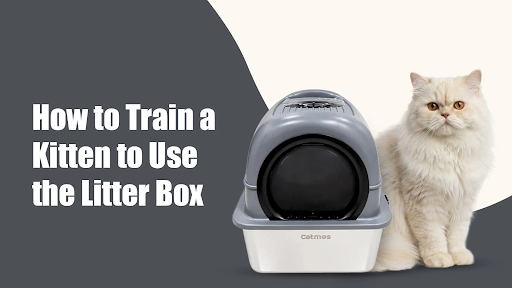
How to Train a Kitten to Use the Litter Box in Rohini, new delhi Without Losing Your Mind
Introduction
The first week with a new kitten is genuinely one of the best things. They are tiny, ridiculous, and somehow both terrifying and adorable at the same time. You are figuring out feeding schedules, hiding cables, and wondering why they keep attacking your feet at 2 AM.
And then you step in something warm on the bathroom floor and realize you forgot the most important part.
Litter box training.
For new cat parents in Rohini, new delhi, learning how to train a kitten to use the litter box is one of the first and most important milestones after bringing your furry friend home.
Let's talk about it properly.
Here Is the Thing Nobody Tells You First
Cats do not need to be taught to use a litter box the way you teach a dog to sit. The instinct to dig, eliminate, and cover is already there. It is biological. What you are actually doing is simply showing them where the designated spot is and making sure that spot is good enough that they actually want to use it.
That second part is where most people get tripped up.
The box being there is not enough. It has to be in the right place, filled with cat litter they are comfortable with, and kept clean enough that your cat does not take one sniff and walk away. Get those three things right, and most kittens are fully trained within a week, sometimes less.
Start With the Right Litter Box for Your Kitten
This matters more than people think. Many first-time cat parents simply grab whichever litter tray looks decent and call it done. But if the box is too tall, too enclosed, or too big for a tiny kitten, they are going to struggle to get in and out and eventually stop trying.
For a young kitten, the entry point needs to be low. They are small. Their legs are small. A tray they have to practically climb into is not going to work.
The Savic Iriz Cat Litter Tray with Rim, available at Zigly Pet Care, is well suited for kittens and smaller cats. It has a low entry point, an open design that does not feel restrictive, and a detachable rim that helps keep litter from scattering across the floor during enthusiastic digging sessions.
Once your kitten grows, you will likely want something larger. The Savic Aseo Jumbo Litter Tray is designed for adult cats and multi-cat households. It features high sides to reduce litter scatter, a low front entry for easy access, and plenty of space for comfortable use.
If you prefer better odour control and additional privacy, the Petmate Jumbo Basic Hooded Litter Pan is another excellent option. It includes a removable door, high walls, and a replaceable charcoal filter that helps manage odours while giving your cat a more private space.
The Cat Litter You Choose Changes Everything
This is probably the most overlooked part of kitten litter training.
Cats are very particular about texture. If the litter feels uncomfortable under their paws, they may simply avoid the box altogether. Strong artificial fragrances can also discourage use. What smells fresh to us may feel overwhelming to a cat.
For kittens, choose something natural, soft, and unscented.
The Cat's Best Original Clumping Cat Litter, available at Zigly Pet Care, is made from natural wood fibres. It is low dust, forms firm clumps for easy cleaning, and provides a soft texture that closely resembles what cats naturally prefer. Odour control comes through natural absorption rather than heavy artificial fragrances.
For multi-cat homes, Sustainably Yours Multi-Cat Litter Plus is designed to handle frequent use. Made from corn and cassava, it is fragrance-free, dust-free, and produces strong clumps that make daily scooping much easier.
Where You Put the Litter Box Matters Just as Much
Cats prefer privacy when using the litter box.
Choose a quiet, low-traffic area such as a bathroom corner, laundry room, or another peaceful space where they will not be disturbed.
Always keep the litter box away from food and water bowls. Cats naturally avoid eliminating near where they eat.
If your home has multiple floors, place a litter tray on each level during the training period. Young kittens may not always reach the nearest box in time while exploring.
A useful rule is:
One litter box per cat, plus one extra.
How to Actually Train Your Kitten
On the first day, gently place your kitten inside the litter box:
After every meal
After waking up
After playtime
Allow them to sniff the litter and explore naturally.
Even if nothing happens immediately, you are helping them associate the litter box with bathroom time.
When they successfully use the box, avoid interrupting them. Let them finish naturally before offering calm praise.
If you notice your kitten beginning to eliminate elsewhere, gently move them into the litter box if possible.
Never scold or punish accidents.
Negative reactions create anxiety, and anxious cats usually experience more litter box problems rather than fewer.
Instead, calmly redirect them and thoroughly clean any accident using an enzymatic cleaner to remove lingering odours.
Why Cats Suddenly Stop Using the Litter Box
Even fully trained cats may occasionally stop using their litter box.
The most common reasons include:
A Dirty Litter Box
Cats have an exceptional sense of smell. A litter box that seems acceptable to us may already be too dirty for them.
Scoop waste every day.
Replace litter regularly.
Wash the tray with mild soap and water every one to two weeks.
Stress
Environmental changes can affect litter habits.
Examples include:
Moving house
New pets
Visitors staying over
Rearranged furniture
A new baby
Cats often express stress through changes in litter box behaviour.
Medical Problems
Urinary tract infections, kidney disease, constipation, and other medical conditions may cause painful urination or bowel movements.
If your cat suddenly stops using the litter box without any obvious environmental reason, schedule a veterinary examination.
Training a Stray Cat to Use an Indoor Litter Box
Training a stray cat requires patience, but the same principles apply.
Start with an unscented natural litter that closely resembles soil.
Some people mix a small amount of outdoor soil into the litter during the first few days to help the transition feel familiar.
Keep the litter box somewhere quiet, avoid hovering nearby, and consistently introduce the cat to the box after meals or whenever they begin sniffing around looking for a place to eliminate.
Accidents are normal during the adjustment period. Clean them thoroughly with an enzymatic cleaner to remove any scent that could encourage repeat accidents.
Where to Buy Cat Litter Boxes and Cat Litter in India
Zigly Pet Care offers a wide selection of cat litter trays, hooded litter boxes, and premium cat litter from trusted brands.
Whether you are shopping for your first kitten or upgrading for an adult cat, you can find litter solutions designed for every stage of your cat's life.
FAQs
How do I litter train a kitten that keeps having accidents on the rug?
Move the litter box closer to the accident area temporarily and clean every accident with an enzymatic cleaner to remove lingering odours.
Where should I place a litter box?
Choose a quiet, low-traffic area away from food and water bowls. Bathrooms and laundry rooms often work well.
Why did my cat suddenly stop using the litter box?
The most common reasons are a dirty litter box, environmental stress, or an underlying medical condition. If there is no obvious cause, consult your veterinarian.
How do I train an outdoor stray cat to use an indoor litter box?
Begin with unscented, natural litter that resembles soil, place the box in a quiet location, and consistently guide the cat to it after meals until the routine becomes familiar.
Do attractant litters help train stubborn cats?
They may help some rescue or adult cats, but correct litter box placement and regular cleaning solve most litter box problems.
How often should I clean the litter box?
Scoop waste at least once every day and wash the litter tray completely every one to two weeks.
Where can I buy litter boxes and cat litter?
Zigly Pet Care offers a complete range of cat litter boxes, hooded litter trays, and premium cat litter for kittens and adult cats.
Conclusion
Litter box training is genuinely one of the easiest parts of bringing a kitten home when everything is set up correctly from the beginning.
For cat parents in Rohini, new delhi, choosing the right kitten litter box, using comfortable cat litter, placing the box in a quiet location, and keeping it clean every day are the biggest factors in successful training.
Your kitten already knows what to do instinctively. They simply need a litter box that feels safe, comfortable, and consistently available. Provide the right setup, stay patient, and your kitten will soon make the litter box their preferred place every time.