














 ₹https://stores.zigly.com/locations/bengaluru/btm-layout/zigly-pet-care-vet-clinic-pet-grooming-pet-products-in-btm-layout-bengaluru--57s18v/articles/cat-dehydration-in-summer-signs-prevention-hydrati--f5329c22-4185-40e5-9f3c-004938776da7
Zigly Pet Care - Vet Clinic, Pet Grooming & Pet Products, BTM Layout, bengaluru
Pet Shop in BTM Layout, Bengaluru, Karnataka
No 671/1, 29th Main Road, BTM Second Stage, Kuvempu Nagar, Stage 2, BTM Layout, bengaluru, karnataka - 560076
Book an Appointment
Zigly Pet Care - Vet Clinic, Pet Grooming & Pet Products Social Feeds in BTM Layout, bengaluru
Cat Dehydration in Summer: Signs, Prevention & Hydration Tips for Cats
Introduction
Cats are notoriously secretive animals. They don’t complain when they’re too hot, they don’t beg for water the way dogs do, and they certainly won’t tell you when something feels off. That’s what makes summer dehydration in cats one of the most overlooked and most common problems during the warmer months in BTM Layout, bengaluru.
Unlike dogs, cats evolved as desert animals. Their bodies were designed to get most of their hydration from prey, not from a water bowl. This means that even under normal conditions, cats don’t feel a strong urge to drink. Add Indian summer heat to that equation, and the gap between how much water they need and how much they’re actually consuming can quietly become dangerous.
Why Summer Is a Particularly Risky Time for Cats
Cats need roughly 50–60 ml of water per kilogram of body weight every day. During summer, that requirement goes up but their drinking habits rarely change to match. Higher temperatures mean more water is lost through grooming and respiration. Cats who lounge near sunny windows, spend time on balconies, or live in homes without proper ventilation are especially at risk.
There’s also the food factor. Cats on an all-dry-food diet are already working at a hydration deficit; dry kibble contains only about 10% moisture. Wet food, by contrast, is around 70–80% water. During summer, this difference becomes even more significant.
Signs of Dehydration in Cats During Summer
Cats are masters at hiding discomfort, which is why knowing what to look for is so important. Watch your cat closely during peak summer months for any of the following:
Drinking more water than usual (or noticeably less)
Dry or sticky gums
Sunken or dull-looking eyes
Skin that doesn’t snap back quickly when gently pinched
Lethargy or low interest in play
Loss of appetite
Reduced visits to the litter box, or very concentrated urine
Unusual panting (which is rare in cats and always worth attention)
Seeking out cooler tiles or flat surfaces to lie on
The Skin Turgor Test
A quick way to check hydration at home is the skin turgor test: gently pinch the skin at the back of your cat’s neck and let go. In a well-hydrated cat, it snaps back immediately. If it returns slowly or stays “tented,” dehydration may already be setting in.
Signs Your Cat May Need Immediate Veterinary Attention
Some symptoms go beyond mild dehydration and require prompt veterinary care. If your cat is showing any of the following, don’t wait:
Vomiting or diarrhea
Complete refusal to eat or drink
Extreme lethargy or inability to stand
Disorientation or confusion
Rapid or laboured breathing
Severe dehydration can affect kidney function, blood pressure, and organ health very quickly in cats. Acting early is always the right call. Consult the vets at Zigly if you’re unsure it’s always better to check than to wait.
How to Keep Your Cat Hydrated in Summer
Keep Fresh Water Available Everywhere
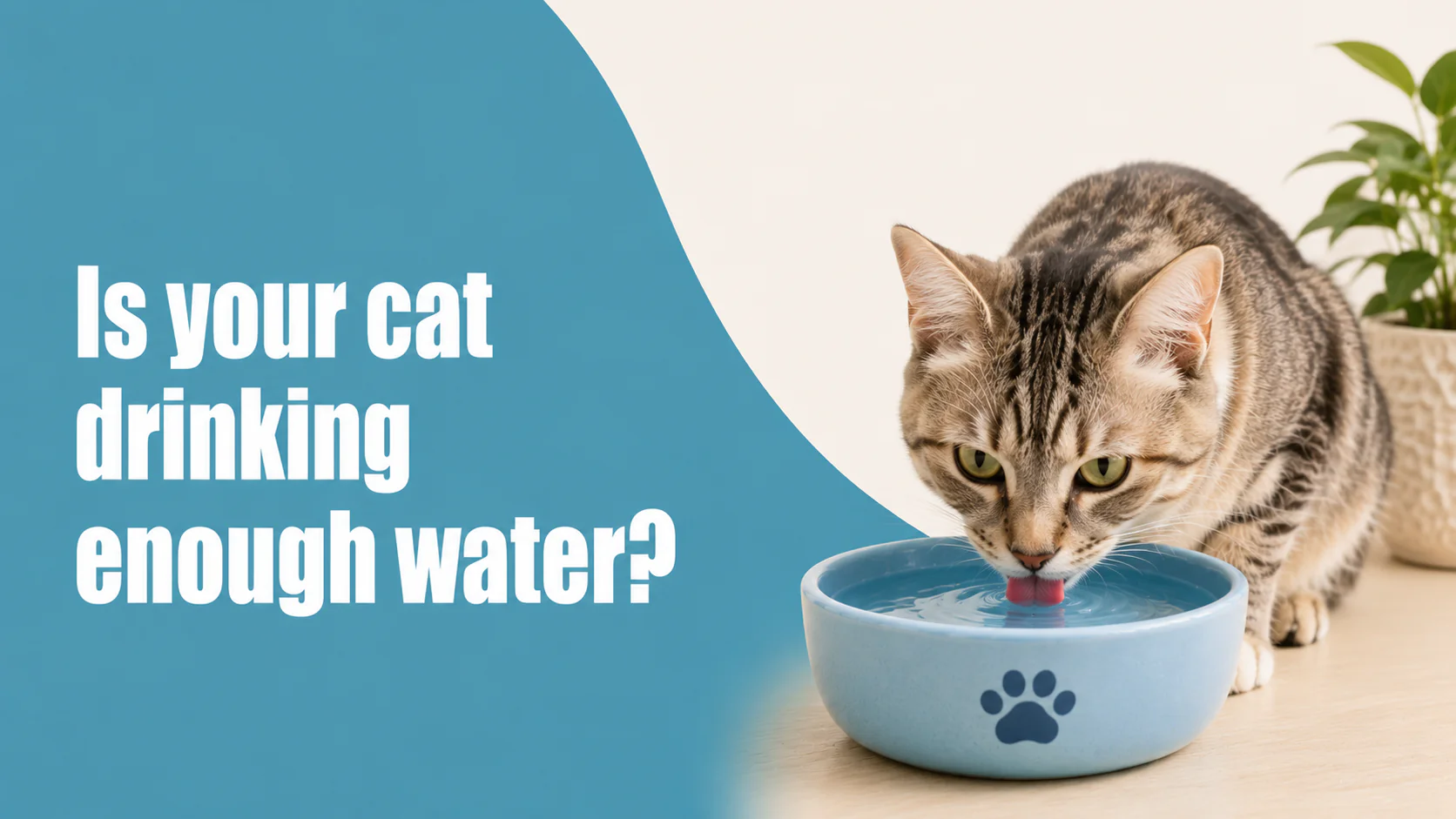
Make fresh, clean water available at all times and not just in one spot. Place multiple water bowls around the house so your cat always has easy access, regardless of where they’re resting. Change the water at least twice a day and wash the bowls regularly.
Cats are sensitive to smell and taste, and stale water is often the reason they avoid drinking.
Pro Tip
Add a couple of ice cubes to your cat’s bowl on especially hot days. It keeps the water cool and fresher for longer and many cats find it fascinating.
Choose the Right Water Bowl
Plastic bowls tend to retain odours over time and can discourage cats from drinking. A ceramic or stainless-steel bowl is a much better option for maintaining freshness and hygiene.
Use a Cat Water Fountain
Many cats are instinctively drawn to moving water because it signals freshness in the wild. A pet water fountain mimics this, encouraging cats to drink more naturally and consistently throughout the day.
Add Wet Food to Their Diet
You don’t have to overhaul your cat’s entire diet but incorporating wet food into at least one meal a day is one of the easiest ways to increase their daily water intake without relying on them to drink more.
Think of every bowl of wet food as a hydration boost built right into mealtime. During summer, this matters more than ever.
Try Broth or Hydration Toppers
Another easy trick is adding a splash of plain, unsalted broth to your cat’s food. Chicken or fish broth works well. Just make sure it contains:
No onion
No garlic
No added salt
Some pet stores also stock cat-specific hydration gels and broth toppers designed specifically for summer hydration support.
Keep Your Home Cool and Comfortable
Hydration isn’t just about drinking, it's also about reducing how much water your cat loses. Make sure they have access to shaded, ventilated areas of your home during the hottest parts of the day.
Simple Cooling Tips
Draw curtains or blinds during peak sunlight
Keep at least one room comfortably cool
Allow access to cool tile flooring
Avoid direct afternoon heat exposure
Use Cooling Mats for Cats
A cooling mat for pets can be a great investment during summer. Place one in your cat’s favourite resting spot and watch them naturally gravitate toward it.
Unlike blankets or padded beds that trap heat, cooling mats provide a consistently comfortable surface with no electricity required.
Summer Grooming Helps Too
Regular grooming during summer helps remove excess fur and prevents matting, which can trap heat against your cat’s body. However, resist the urge to shave your cat completely. Their coat also acts as insulation and protects against sunburn.
A neat summer trim from expert groomers at Zigly is a much safer and healthier approach.
Quick Summer Hydration Checklist for Cats
Fresh water available in multiple spots at all times
Water bowls cleaned and refilled at least twice a day
Ice cubes added during peak heat
Wet food included in at least one daily meal
Cat water fountain considered for reluctant drinkers
Cooling mat placed in favourite resting area
Home environment kept shaded and ventilated
Signs of dehydration monitored daily
Vet contacted immediately if serious symptoms appear
Conclusion
Summer heat in BTM Layout, bengaluru can quietly increase the risk of dehydration in cats, especially because they naturally don’t drink enough water on their own. The good news is that prevention is simple when you know what to look for.
A fresh bowl of water, wet food added to meals, proper grooming, and a cool resting space can make a significant difference in your cat’s comfort and health during hot weather.
Your cat may never ask for help when they’re overheating or dehydrated but small daily habits can protect them before a problem develops.
And if you’re ever unsure about your cat’s hydration or behaviour during summer, the vets at Zigly are always there to help with personalised guidance and support.